US Congress Divided Over Military Aid to Israel Amid Gaza Conflict
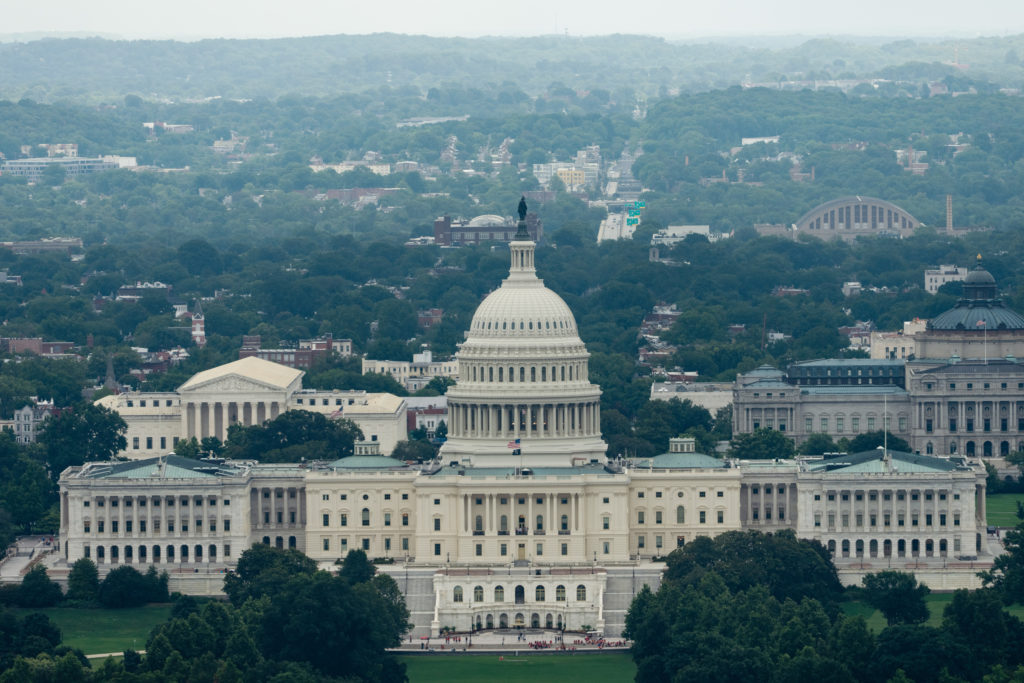
The ongoing war in Gaza and joint military operations involving the U.S. and Israel against Iran have created significant rifts within the U.S. Congress, particularly among Democratic lawmakers. On Wednesday, a notable portion of House Democrats, exceeding fifty percent, cast votes to halt U.S. military funding designated for Israel. This division highlights a growing divergence of opinion regarding American support for Israel's military actions. Furthermore, a distinct legislative measure intended to bolster U.S.-Israel cooperation has also surfaced sharp disagreements. These developments underscore the complex and contentious nature of U.S. foreign policy concerning the Middle East. The differing votes reflect a spectrum of views on the appropriate level and conditions of American aid. This situation presents a challenge for leadership in navigating these internal party divisions. The reporting by Lisa Desjardins emphasizes the depth of these congressional disagreements.
The congressional votes on military aid to Israel reveal a significant divergence in U.S. foreign policy perspectives, particularly within the Democratic party. This split reflects evolving geopolitical considerations and domestic pressures regarding foreign military engagements. The tension between maintaining long-standing alliances and addressing humanitarian concerns or international law implications presents a complex governance challenge. Future policy decisions will likely involve balancing these competing interests, potentially leading to more conditional aid packages or increased congressional oversight. The long-term implications for U.S. regional influence and diplomatic strategies warrant careful consideration as these divisions persist.
AI-generated to prompt reflection — not editorial opinion, not advice, not a statement of fact. How this works.