US Congress: S-400s Still Block Turkey's F-35 Acquisition
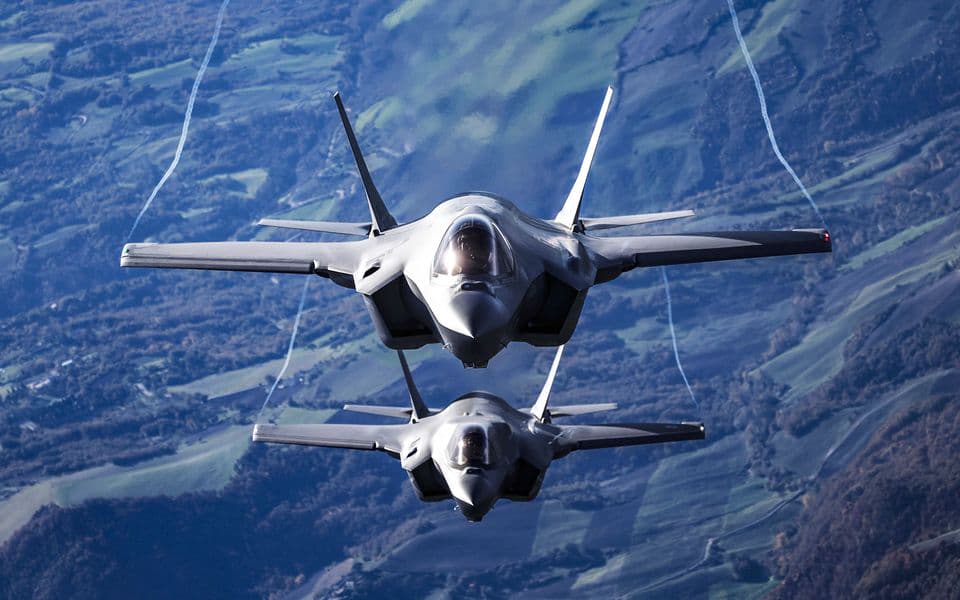
Members of the U.S. Congress have stated that Turkey's acquisition of Russian S-400 air defense systems continues to prevent the country from obtaining F-35 fighter jets. This stance highlights an ongoing diplomatic and military standoff between the two NATO allies. The U.S. has consistently argued that the S-400 system is incompatible with NATO's security architecture and poses a risk to the F-35 program. Turkey's purchase of the S-400 in 2017 led to its removal from the F-35 program in 2019, despite having previously ordered a significant number of the advanced aircraft. The U.S. Congress's reiteration of this position underscores the persistent challenges in resolving this issue. The implications extend beyond military hardware, affecting broader strategic cooperation between the United States and Turkey within the NATO alliance. Until Turkey addresses concerns regarding the S-400, its access to the F-35 remains uncertain.
The U.S. Congress's continued assertion regarding Turkey's S-400 acquisition and its impact on F-35 procurement reflects a fundamental tension between NATO interoperability requirements and the sovereign defense choices of member states. This situation illustrates the complex geopolitical balancing act inherent in alliances, where national security interests can diverge, creating friction. The U.S. perspective prioritizes technological security and alliance cohesion, viewing the S-400 as a potential threat to sensitive F-35 data and operational security. Turkey, conversely, has pursued its defense procurement based on perceived national security needs and strategic autonomy. Moving forward, resolving this impasse will likely require a mutually agreeable solution that addresses both U.S. security concerns and Turkey's defense requirements, potentially through diplomatic channels or alternative technological arrangements, to preserve the strategic unity of the alliance.
AI-generated to prompt reflection — not editorial opinion, not advice, not a statement of fact. How this works.