US Considering Military Action in Mali Against Al-Qaeda Affiliate, Report Says
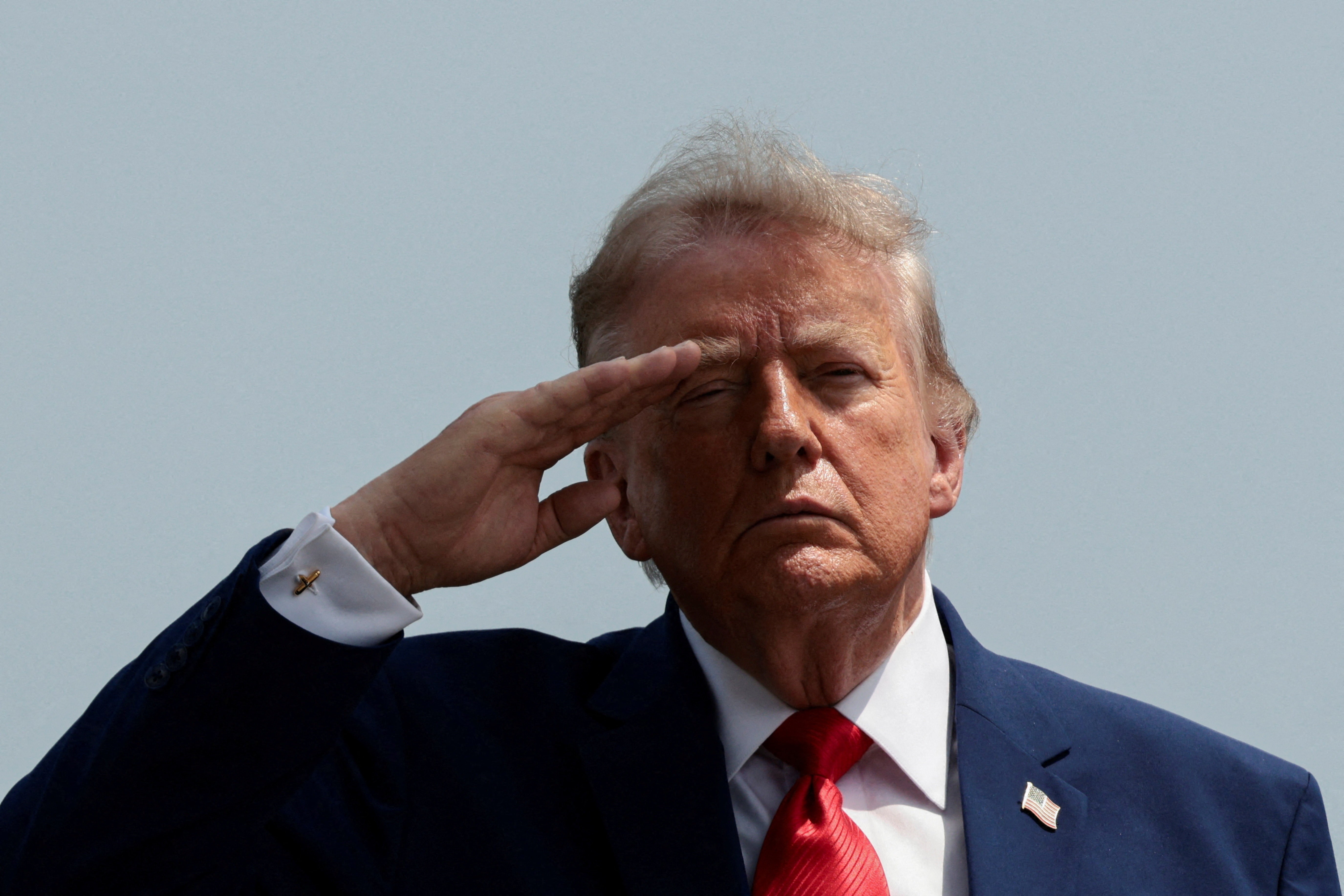
The administration of U.S. President Donald Trump is reportedly considering military action in Mali targeting an extremist group linked to Al-Qaeda, according to The Washington Post. The proposal is still under internal debate within the U.S. government and has not received approval. The intended target is the Jama'at Nusrat al-Islam wal-Muslimin (JNIM) group, which has become the most heavily armed extremist organization in the Sahel region. Mali has been grappling with escalating violence from jihadist groups for years, and since a 2021 military coup, the country has been led by a junta that has severed ties with the West, strengthened relations with Russia, and employed mercenaries. The JNIM has expanded its attacks into West African coastal nations and competes for influence with an Islamic State affiliate. Recent JNIM actions include coordinated attacks across Mali, operations in the capital Bamako, and the capture of a strategic northern city following clashes with the Malian army and Russian forces. Any U.S. operation could increase the risk of friction with Russia, which maintains a presence in Mali through a group affiliated with its Ministry of Defense. The U.S. State Department has declined to comment on support for military action, while Senator Marco Rubio has condemned terrorist activities in Mali. If undertaken, this would mark Mali as the eighth country targeted by U.S. operations during Trump's presidency, following actions in Yemen, Somalia, Syria, Iran, Iraq, Nigeria, and Venezuela.
The reported U.S. consideration of military action in Mali highlights the complex geopolitical landscape of the Sahel region, where counter-terrorism efforts intersect with the growing influence of Russia and internal political instability. The potential for direct or indirect confrontation between U.S. and Russian forces presents a significant escalation risk, demanding careful diplomatic and strategic management. This situation underscores a broader challenge for global powers in navigating asymmetric warfare and proxy engagements in regions undergoing political transition. The effectiveness and long-term implications of such interventions, particularly in a country governed by a junta and reliant on external security support, warrant thorough assessment regarding sustainable stability versus potential regional destabilization.
AI-generated to prompt reflection — not editorial opinion, not advice, not a statement of fact. How this works.