US Considers New H-1B Visa Controls Starting August 2026
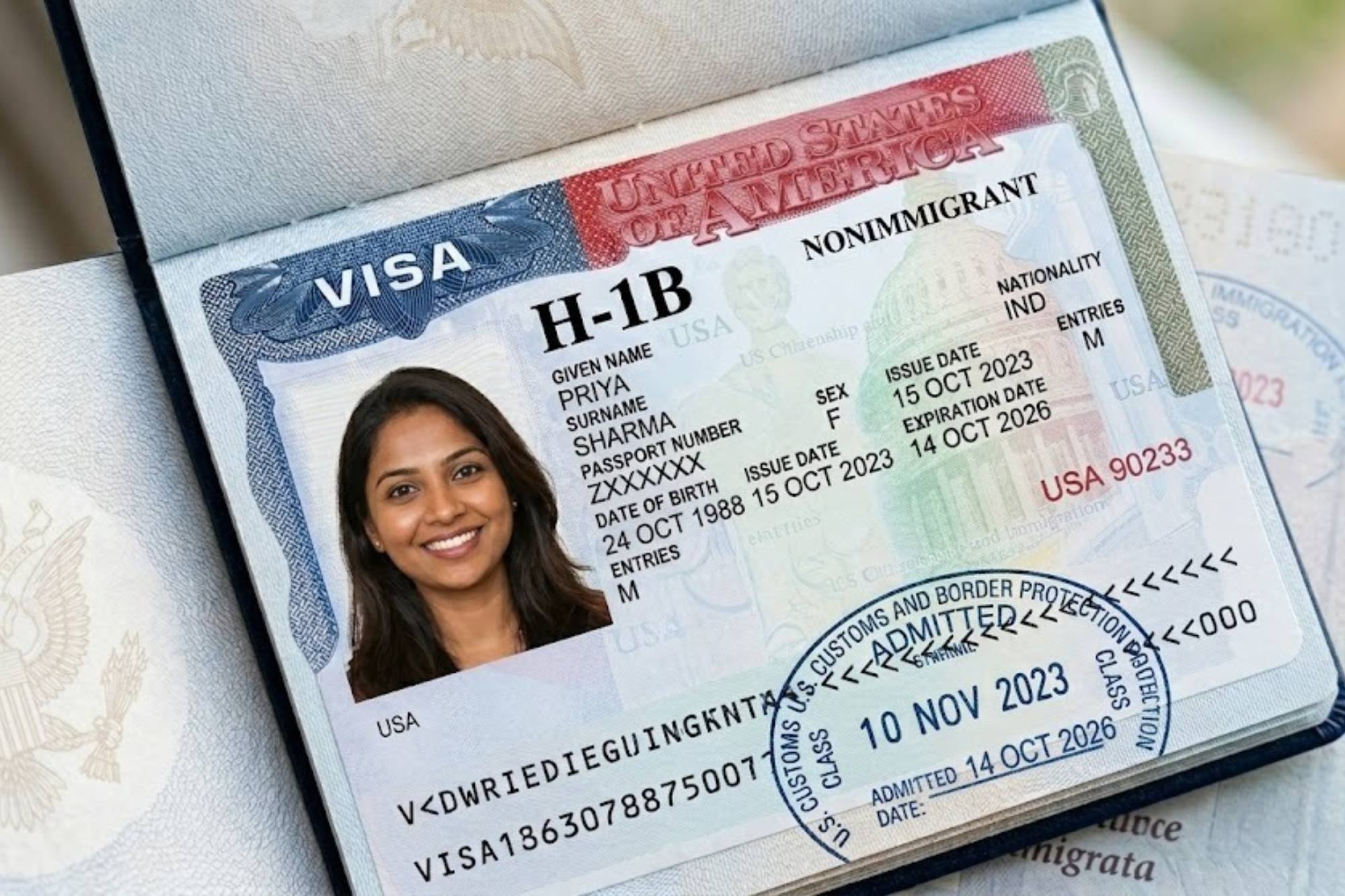
The U.S. Department of Homeland Security (DHS) is evaluating new controls for H-1B visas, potentially implementing them in August 2026. These proposed changes could significantly impact both employers in the United States and foreign workers who rely on this visa program. The H-1B visa is crucial for bringing skilled foreign professionals into the U.S. workforce, particularly in specialized fields like technology and engineering. The DHS's review suggests a potential tightening of the requirements or processes associated with obtaining and maintaining these visas. Such adjustments could create new obstacles for migrants seeking to work in the U.S. under this category. Employers might face increased administrative burdens or stricter eligibility criteria when sponsoring foreign talent. The exact nature of the controls remains under evaluation, but the announcement signals a proactive stance by the DHS to potentially reshape the landscape of skilled immigration. This move could influence hiring decisions and talent acquisition strategies for many U.S. companies. Foreign workers may need to prepare for a more rigorous application or compliance process.
The proposed H-1B visa controls by the DHS reflect an ongoing tension between the demand for specialized foreign talent in the U.S. economy and national policy objectives concerning immigration and domestic labor. While aiming to streamline or secure the process, such changes could inadvertently increase operational costs for businesses reliant on global expertise and potentially reduce the pool of available skilled workers. This situation highlights the systemic challenge of balancing economic competitiveness with immigration policy, particularly as the global demand for AI and tech talent intensifies. Future policy decisions will likely need to consider the long-term implications for innovation and economic growth against the backdrop of evolving global labor markets and demographic shifts.
AI-generated to prompt reflection — not editorial opinion, not advice, not a statement of fact. How this works.