US Consulates in Lahore and Karachi to Resume Services July 20
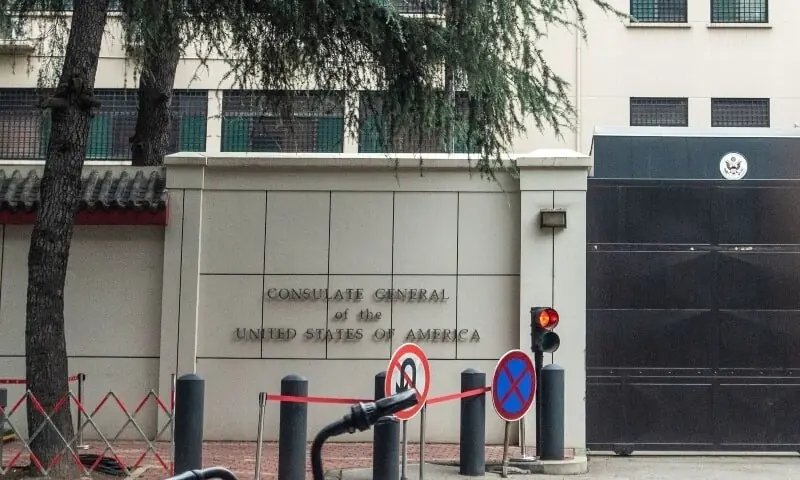
The United States consulates in Lahore and Karachi, Pakistan, are scheduled to resume regular consular services starting July 20, 2026. This announcement was made by the US Embassy in Islamabad on Wednesday. The consulates will offer services to U.S. citizens and process applications for non-immigrant visas. Consular operations in these two cities had been suspended in March following violent protests that erupted at the beginning of the US-Israel war with Iran. On March 1, a protest in Karachi resulted in the deaths of 10 individuals during clashes between demonstrators and law enforcement near the US Consulate on Mai Kolachi Road. Security forces used teargas and batons to manage the situation, and reports indicated US Marines fired on the protestors. Similar demonstrations occurred in Islamabad, where at least two protesters died and over 30 were injured in confrontations with law enforcement near the Diplomatic Enclave. Consequently, on March 4, the US State Department directed non-emergency personnel and their families to depart from the US consulates in Karachi and Lahore due to escalating security concerns. Earlier in May, the US State Department had announced the gradual closure of its consulate in Peshawar, with operations to be transferred to the embassy in Islamabad. This decision regarding Peshawar was reportedly under consideration for over a year, predating the Iran conflict.
The resumption of consular services in Lahore and Karachi signifies a de-escalation of security concerns that led to their suspension. The events of March, marked by deadly protests and security responses, highlight the complex geopolitical sensitivities impacting diplomatic operations. Future diplomatic missions will need robust risk assessment frameworks to navigate volatile environments, balancing operational continuity with the safety of personnel and local populations. The incident underscores the importance of clear communication protocols between diplomatic entities and host nation security forces during periods of civil unrest to prevent unintended escalation and ensure accountability. The phased closure of the Peshawar consulate, attributed to administrative downsizing rather than immediate security threats, suggests a broader trend of resource reallocation within diplomatic infrastructure, potentially driven by evolving global priorities and technological shifts in service delivery.
AI-generated to prompt reflection — not editorial opinion, not advice, not a statement of fact. How this works.