US Continues Strikes on Iran for 11th Night; Air Defenses Activated in Tehran
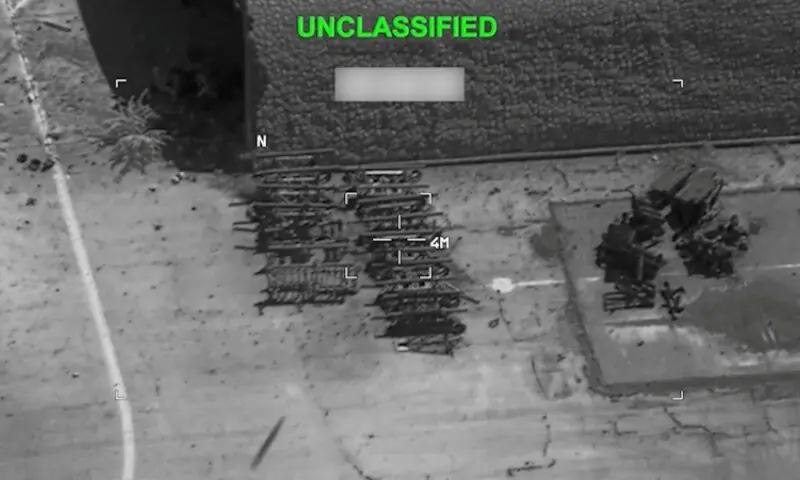
The United States conducted its eleventh consecutive night of strikes against Iran on Wednesday, prompting air defense activations in Tehran. President Donald Trump stated he was "not finished" with the conflict, which has already incurred significant costs for the U.S. The ongoing hostilities, initially focused on the Strait of Hormuz, have expanded to encompass other critical oil chokepoints in the Middle East.
U.S. military sources indicated the strikes targeted "military logistics infrastructure," while Iranian state media reported attacks near Bushehr, a location housing a nuclear power plant. Air defense activity was reported across Tehran. As the conflict approaches five months and with upcoming legislative elections, President Trump faces domestic pressure to conclude the war, which has reportedly cost $37.5 billion according to Pentagon Chief Pete Hegseth. The U.S. aims to degrade Iran's capacity to threaten commercial shipping.
Iran has threatened retaliation, viewing further U.S. actions, particularly against its nuclear facilities like the suspected underground enrichment site at Pickaxe Mountain near Natanz, as an escalation. The conflict has also seen Iran's Houthi allies threaten to blockade Saudi ports, leading to U.S. intervention warnings from Trump. Several Gulf states, including Kuwait and Bahrain, reported intercepting drone and missile attacks attributed to Iran, which claimed to target U.S. assets. Despite the escalating tensions, diplomatic channels through mediators, including Pakistan, remain open.
The escalating military exchanges between the U.S. and Iran, alongside proxy actions involving Houthi rebels, highlight the complex geopolitical dynamics and systemic risks inherent in the region's energy infrastructure. The financial cost of sustained military operations, approaching $37.5 billion, raises questions about the long-term economic sustainability and strategic efficacy of such interventions, especially when juxtaposed with domestic political pressures and the approaching election cycle. The dual threat to global oil supplies via chokepoints like the Strait of Hormuz and potential blockades underscores the interconnectedness of regional stability and international economic health. Future strategic considerations will likely involve balancing deterrence with de-escalation, potentially exploring more robust diplomatic frameworks and alternative energy security measures to mitigate the volatility driven by these persistent geopolitical flashpoints.
AI-generated to prompt reflection — not editorial opinion, not advice, not a statement of fact. How this works.