US Continues Strikes on Iran for 12th Night, Warns of Escalating Costs
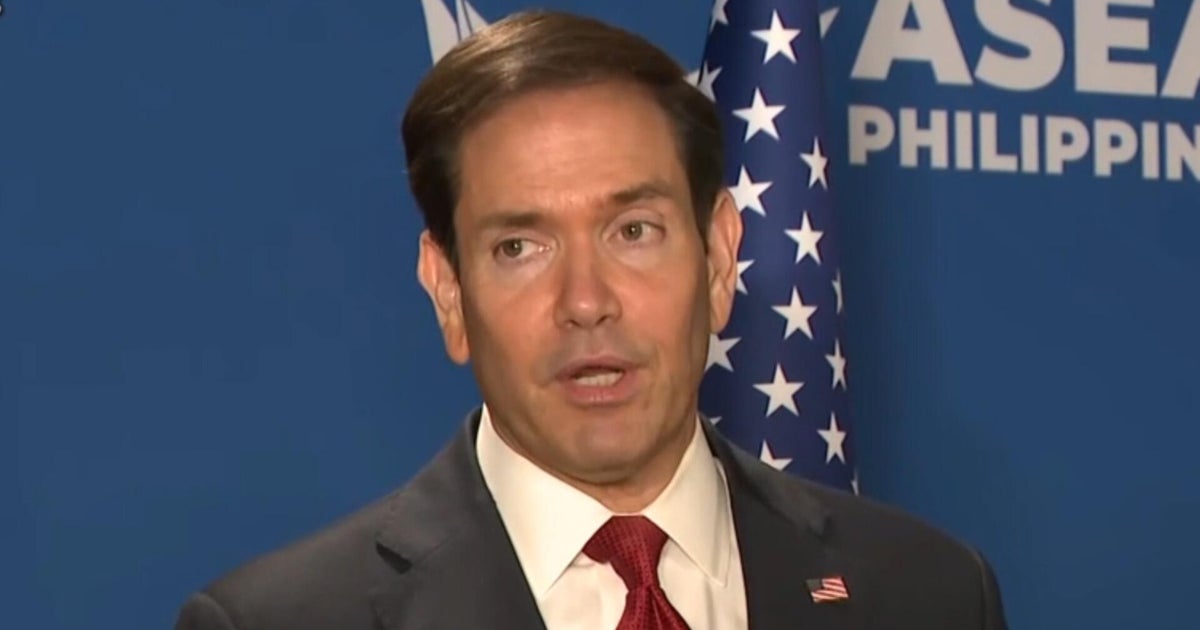
The United States has conducted strikes against Iran for the twelfth consecutive night, maintaining pressure on the nation. President Trump has reiterated his threats to target Iranian infrastructure, signaling a continued hardline stance. Secretary of State Marco Rubio stated that Iran will face increasing consequences each night until it agrees to negotiations. This ongoing action suggests a prolonged period of tension and potential escalation in U.S.-Iran relations. The administration appears committed to using military pressure as a tool to compel diplomatic engagement. The duration and intensity of these strikes underscore the seriousness with which the U.S. views the current geopolitical situation. Further developments are expected as the situation evolves.
The U.S. military actions against Iran, sustained over twelve consecutive nights, represent a significant escalation in diplomatic pressure, employing a strategy of "coercive diplomacy." This approach leverages the threat and application of force to compel a desired outcome in negotiations, a tactic that carries inherent risks of unintended escalation and regional instability. The stated objective is to increase the "price" for Iran, implying an economic or strategic cost designed to incentivize a return to the negotiating table. However, such strategies can also entrench positions, potentially hardening resolve rather than fostering compromise. Evaluating this policy requires considering the long-term geopolitical implications, including potential counter-reactions from Iran and its allies, and the broader impact on regional security dynamics. The effectiveness of this strategy will depend on Iran's perceived capacity to absorb these costs and its willingness to negotiate under duress, alongside the international community's response to these sustained actions.
AI-generated to prompt reflection — not editorial opinion, not advice, not a statement of fact. How this works.