US Court Ruling Could Delay Deportations for Thousands of Migrants
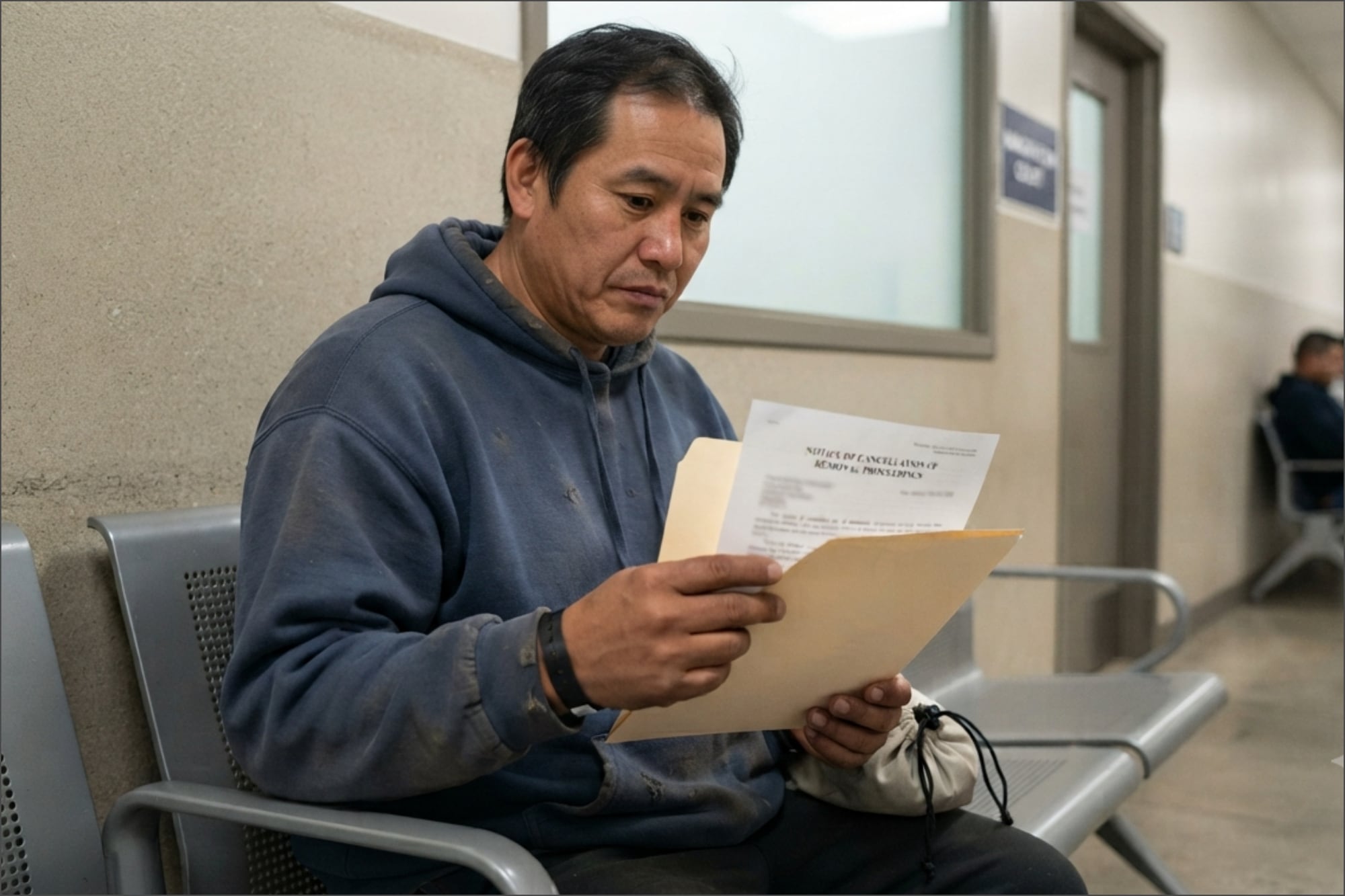
A recent court ruling in the United States has introduced a new regulation that could significantly delay the deportation of thousands of foreign nationals. The core of this decision mandates that immigration authorities must hold deportation hearings for individuals within 90 days of their arrival. This requirement aims to provide a more timely judicial process for migrants seeking to remain in the country. Previously, the timeline for such hearings was not as strictly defined, potentially leading to prolonged periods of uncertainty for those in the immigration system. The ruling is expected to impact a substantial number of individuals currently facing deportation proceedings. Advocates for immigrant rights have hailed the decision as a crucial step towards ensuring due process. However, the practical implementation and potential strain on immigration courts are subjects of ongoing discussion. The full implications of this 90-day hearing rule are still unfolding, but it represents a significant shift in the handling of immigration cases.
This judicial decision introduces a procedural mandate that could alter the efficiency and predictability of U.S. immigration enforcement. By requiring hearings within a fixed 90-day window, the ruling may compel a reallocation of resources within the immigration court system, potentially impacting the speed at which other cases are processed. From a systemic perspective, the policy's effectiveness will depend on the capacity of immigration courts to meet this new deadline without compromising the thoroughness of individual case reviews. This development highlights the ongoing tension between administrative efficiency and the legal right to due process for individuals navigating complex immigration laws, particularly in an era of increasing global migration.
AI-generated to prompt reflection — not editorial opinion, not advice, not a statement of fact. How this works.