US Court Ruling on Work Permits: Who is Covered and Who is Not?
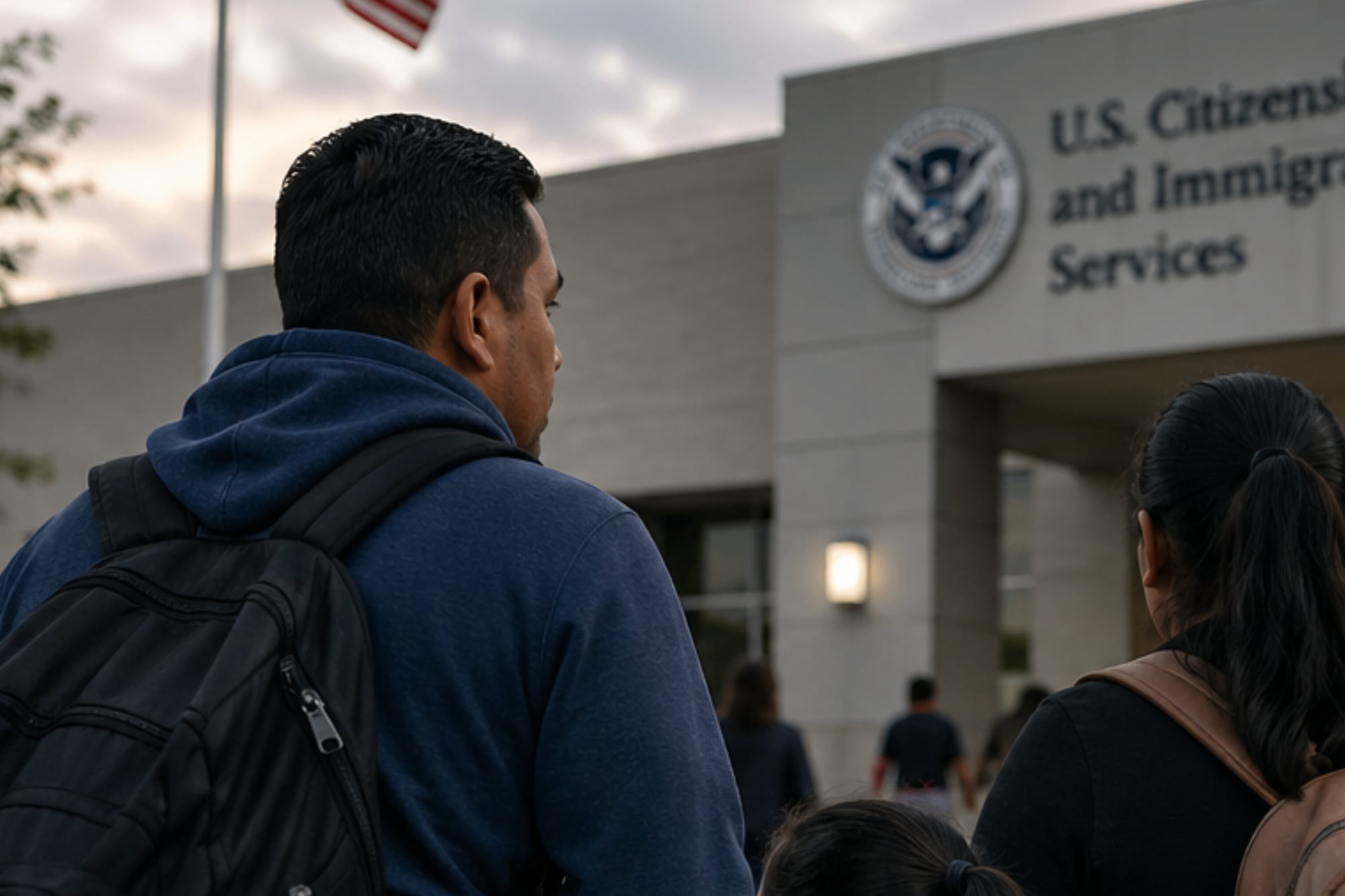
A recent judicial decision has clarified the eligibility for work permits for migrants seeking asylum or holding Temporary Protected Status (TPS) in the United States. The ruling specifically addresses the revocation of work permits, aiming to provide protection to a defined group of individuals. However, the status of Venezuelan and Cuban migrants remains a key question following this legal development. The court's decision impacts those who have applied for asylum or have been granted TPS, ensuring they can continue to work while their cases are processed or their protected status is active. This ruling is significant as it provides a degree of certainty for many migrants who rely on employment authorization to support themselves and their families. The specifics of which categories of migrants are definitively covered by this protective measure are crucial for understanding its broad implications. Further details are expected to clarify the exact scope of the protection and how it applies to different nationalities, particularly concerning Venezuelan and Cuban nationals who may have unique considerations.
This judicial ruling on work permits for asylum seekers and TPS holders highlights the complex interplay between immigration policy and legal protections in the United States. The decision underscores the importance of clear administrative processes for employment authorization, particularly for vulnerable populations. The ongoing debate around specific nationalities, such as Venezuelans and Cubans, reflects broader geopolitical considerations that can influence immigration policy and its application. Future developments will likely involve continued legal challenges and potential legislative responses to reconcile humanitarian concerns with national immigration objectives, shaping the landscape for migrant workers over the next decade.
AI-generated to prompt reflection — not editorial opinion, not advice, not a statement of fact. How this works.