US Customs Seizes 80 Counterfeit World Cup Jerseys in New York
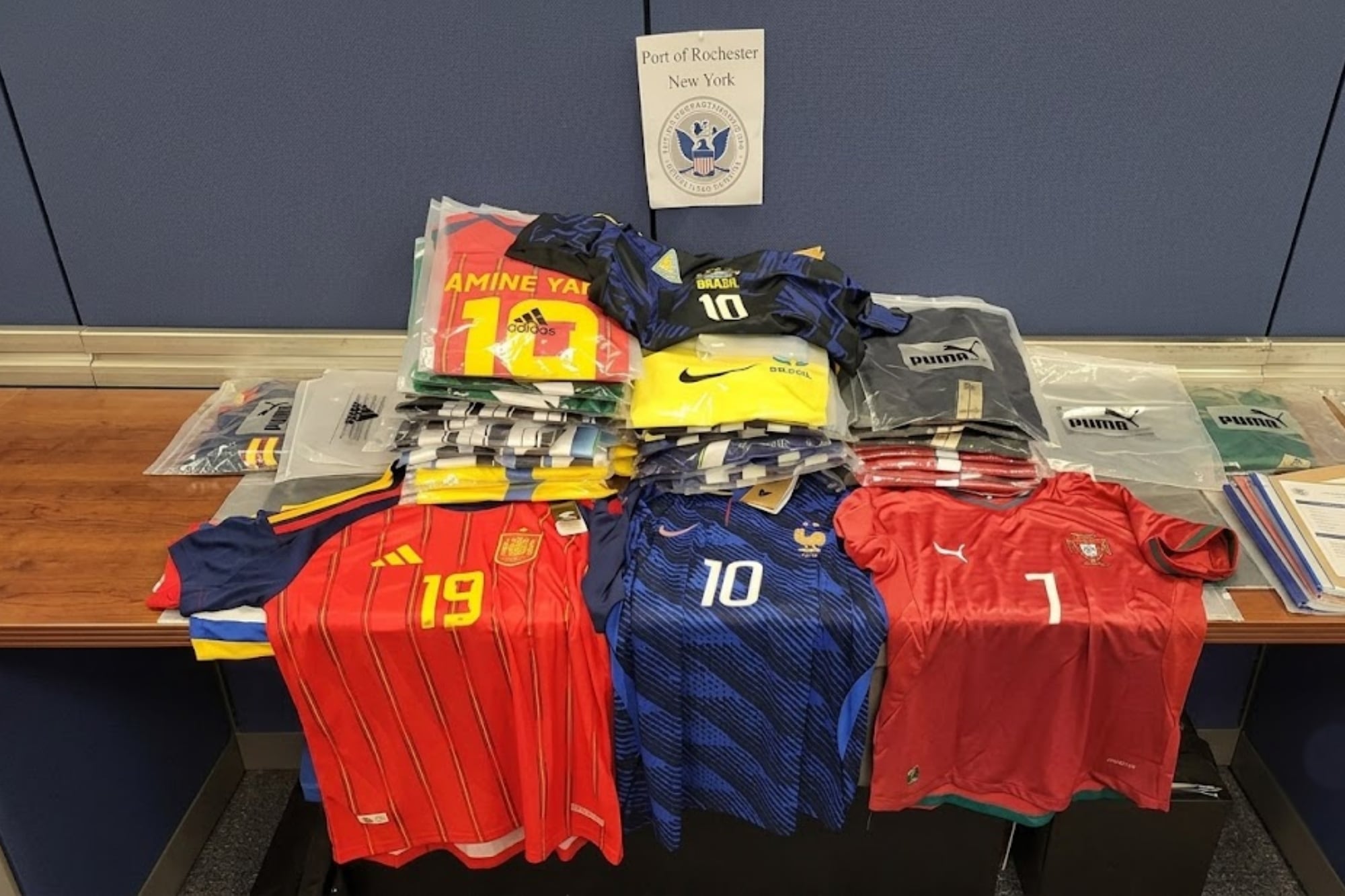
US Customs and Border Protection (CBP) agents in Rochester, New York, successfully intercepted a shipment of 80 counterfeit World Cup jerseys. The seizure occurred just hours before the final match of the tournament, highlighting the ongoing efforts to combat the trade in fake merchandise. CBP officials took the opportunity to issue a stern warning to consumers about the risks associated with purchasing pirated or counterfeit goods. These products often lack quality control and can be produced under exploitative labor conditions. Furthermore, buying counterfeit items fuels illicit criminal networks and deprives legitimate businesses and artists of their rightful income. The agency emphasized that consumers should be vigilant and ensure they are purchasing authentic merchandise from authorized retailers to avoid supporting illegal activities and to ensure product quality and safety.
This seizure by US Customs and Border Protection underscores the persistent global challenge of intellectual property theft and the trade in counterfeit goods, particularly around high-profile events like the World Cup. While the immediate impact is the removal of 80 fake items, the broader implication relates to the economic incentives driving such illicit activities. The CBP's warning serves as a public awareness initiative, aiming to shift consumer behavior away from purchasing counterfeit products by highlighting associated risks, including potential quality issues and the funding of criminal enterprises. Looking ahead, as digital marketplaces become more prevalent, the methods for detecting and intercepting counterfeit goods will need to evolve, potentially leveraging AI and blockchain technology to verify authenticity and track supply chains more effectively. This incident also raises questions about the effectiveness of international cooperation in enforcing intellectual property rights and the need for robust consumer education campaigns to mitigate demand for pirated items.
AI-generated to prompt reflection — not editorial opinion, not advice, not a statement of fact. How this works.