US Cyclospora Outbreak Linked to Iceberg Lettuce; Experts Advise on Food Safety
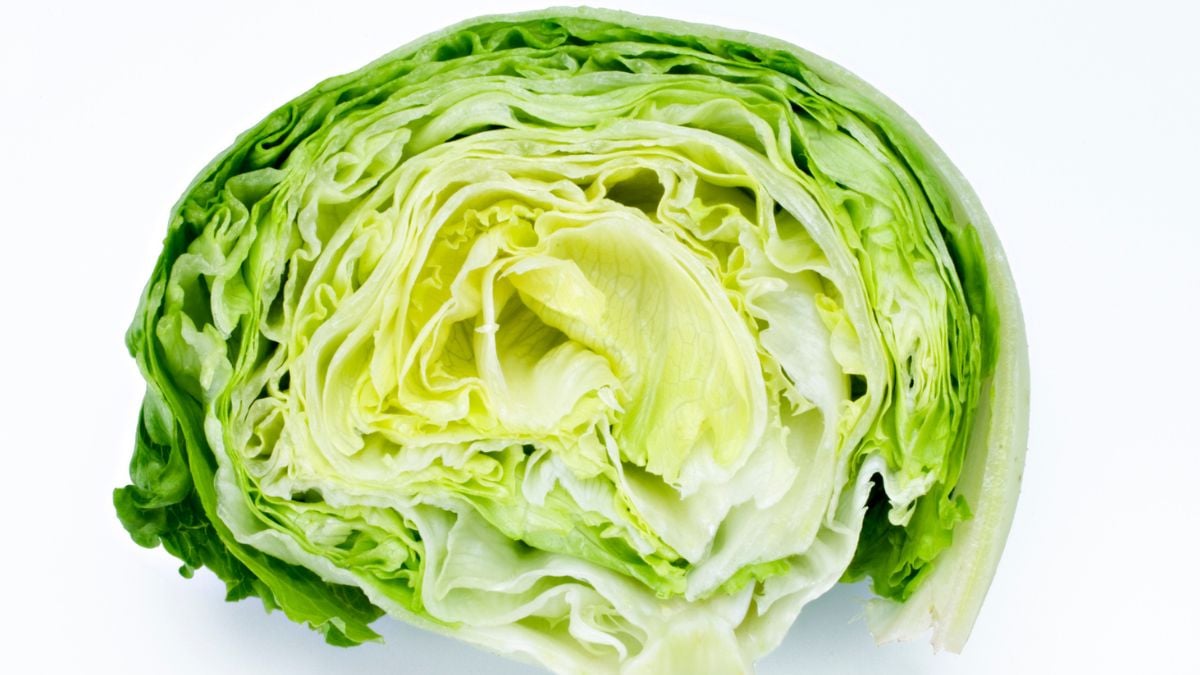
An outbreak of Cyclospora in the United States has been linked to iceberg lettuce, raising concerns about food safety. Cyclospora is a microscopic parasite that can cause gastrointestinal illness. The Centers for Disease Control and Prevention (CDC) and the Food and Drug Administration (FDA) are investigating the source of the contamination. While the specific farms or distribution channels involved are still being determined, the implicated product highlights the challenges in ensuring the safety of fresh produce. Health authorities are advising consumers to take precautions when preparing salads and other dishes containing raw vegetables. The effectiveness of washing produce in removing Cyclospora has been questioned, suggesting that thorough preparation and awareness of food handling practices are crucial. Further details on the extent of the outbreak and specific recommendations are expected as the investigation progresses.
The reported link between iceberg lettuce and a Cyclospora outbreak underscores the persistent challenges in maintaining food supply chain integrity, particularly for fresh produce. This incident highlights the need for robust traceability systems and enhanced agricultural practices to mitigate contamination risks. As consumer demand for fresh, raw foods continues to grow, the public health implications of microscopic pathogens necessitate ongoing investment in food safety technologies and regulatory oversight. Future food systems will likely need to integrate advanced monitoring and sanitation protocols to prevent such outbreaks, balancing accessibility with pathogen control.
AI-generated to prompt reflection — not editorial opinion, not advice, not a statement of fact. How this works.