US Cyclosporiasis Outbreak: Over 2,800 Infected, Lettuce Suspected
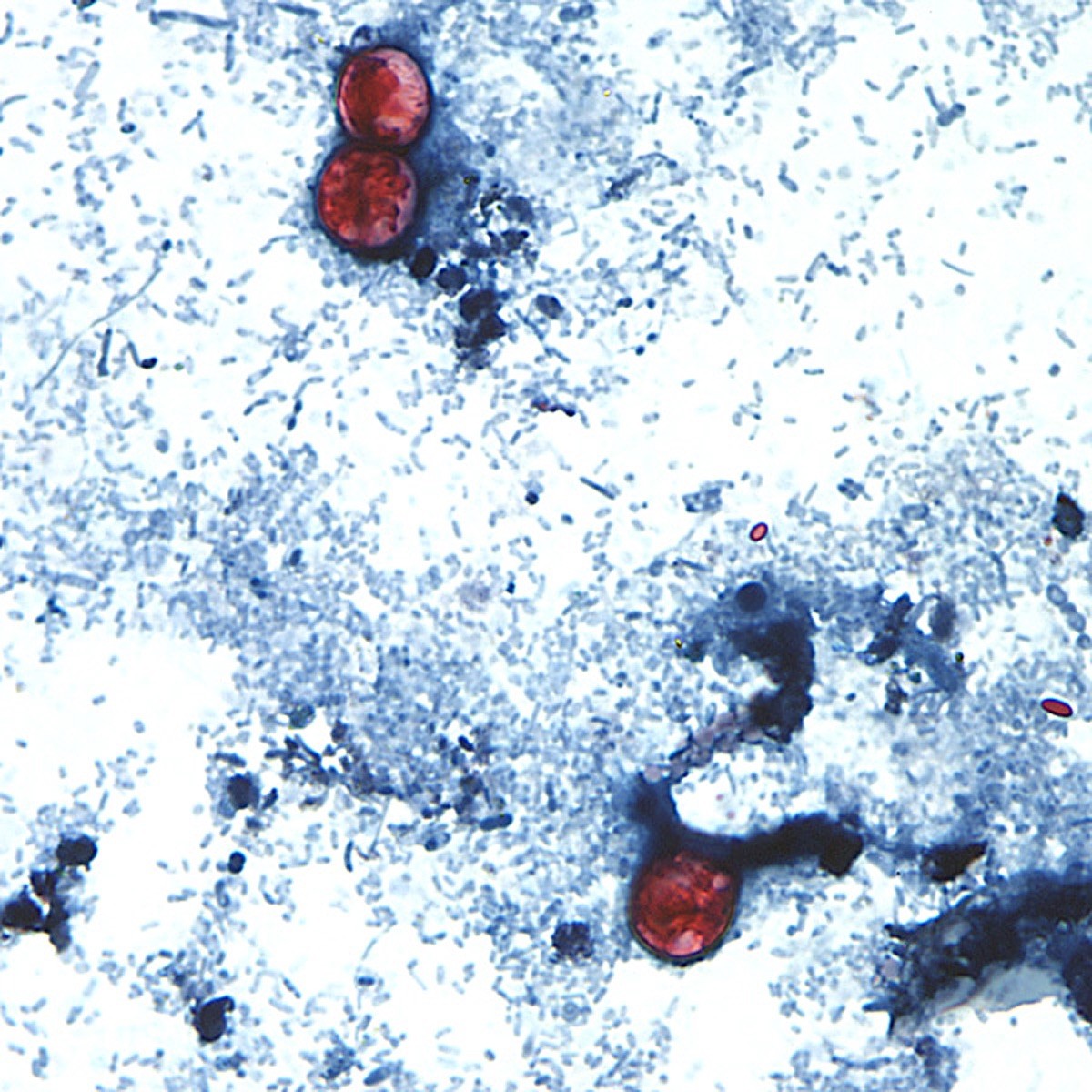
A significant outbreak of cyclosporiasis in the United States has infected over 2,800 people, primarily characterized by intense, sometimes "explosive" watery diarrhea. The U.S. Centers for Disease Control and Prevention (CDC) has confirmed at least 843 cases and approximately 1,500 suspected cases across 31 states. State health departments, particularly in Michigan, are reporting higher numbers, with Michigan alone accounting for 2,640 cases and Ohio reporting 177. At least 86 individuals have required hospitalization, though no fatalities have been reported. This outbreak is considered the largest in Michigan's history and one of the most substantial in the U.S. in recent years.
Initial investigations by the Michigan Department of Health suggest that lettuce and other raw leafy greens may be the source of the contamination. However, researchers emphasize that the investigation is ongoing, and other food items have not yet been ruled out. No specific type of produce, farmer, or supplier has been definitively identified as the origin. Cyclosporiasis is caused by the microscopic parasite Cyclospora cayetanensis, which infects the intestine after consuming contaminated food or water. Symptoms include severe diarrhea, loss of appetite, weight loss, abdominal cramps, nausea, fatigue, and malaise. While treatable with antibiotics, symptoms can linger for weeks or months without treatment.
Investigating Cyclospora outbreaks presents unique challenges due to its long incubation period, making it difficult for individuals to recall specific food consumption. The parasite's inability to be cultured in laboratories also complicates food analysis. The increasing incidence of cyclosporiasis in the U.S. over the past decade is attributed by experts to improved diagnostic testing and potentially climate change. Previous outbreaks have been linked to produce such as raspberries, basil, cilantro, and pre-packaged salads. Health authorities recommend thorough washing of produce and cooking when possible, advising consumers to discard outer leaves of lettuce and wash remaining leaves before consumption.
This extensive cyclosporiasis outbreak underscores the vulnerabilities within the fresh produce supply chain, particularly concerning raw leafy greens. The prolonged incubation period of the parasite complicates traceback efforts, highlighting systemic challenges in foodborne illness investigations. While improved diagnostics may contribute to higher reported case numbers, the potential role of climate change in facilitating parasite survival and spread warrants further examination. The difficulty in pinpointing a single source, often due to widespread distribution and the nature of ingredients in complex meals, necessitates a multi-faceted approach to prevention. Future strategies may need to focus on enhanced agricultural water quality monitoring, improved traceability systems, and public health campaigns that educate consumers on safe food handling practices, especially as climate patterns continue to evolve.
AI-generated to prompt reflection — not editorial opinion, not advice, not a statement of fact. How this works.