US Data Centers' Energy Needs Jeopardize "Made in America" Manufacturing Goals
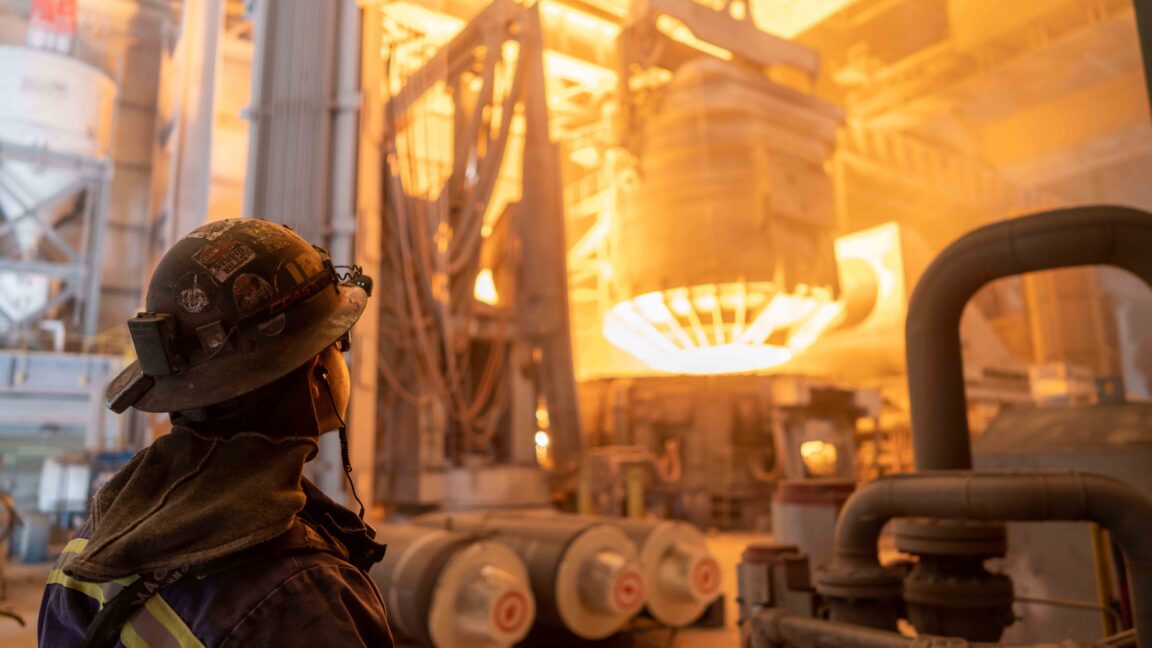
The burgeoning energy demands of data centers across the United States are creating a significant challenge for President Trump's "Made in America" manufacturing initiative, particularly in the Rust Belt region. These facilities require vast amounts of electricity to operate, leading to increased strain on local power grids and potentially driving up energy costs for residents and existing industries. This surge in demand could undermine the economic viability of expanding manufacturing operations in areas already grappling with energy infrastructure limitations. The "Made in America" plan aims to bolster domestic manufacturing, but the competition for electricity resources between data centers and industrial facilities presents a complex dilemma. Policymakers face the difficult task of balancing the growth of the digital economy with the need to support traditional manufacturing sectors. The situation highlights a potential conflict between technological advancement and industrial revitalization, raising questions about sustainable energy development and equitable resource allocation.
The rapid expansion of data centers, driven by increasing digital consumption and AI development, is placing unprecedented strain on existing electricity infrastructure in key industrial regions. This presents a systemic challenge to national manufacturing goals, as energy availability and cost become critical determinants of industrial competitiveness. The situation underscores a fundamental tension between the growth of the digital economy and the revitalization of traditional manufacturing sectors. Policymakers must navigate this complex landscape by considering long-term energy strategies that prioritize both technological innovation and industrial capacity, potentially through investments in grid modernization, renewable energy sources, and demand-side management programs. The future viability of "Made in America" initiatives may hinge on the ability to secure reliable and affordable energy for a diverse range of industries.
AI-generated to prompt reflection — not editorial opinion, not advice, not a statement of fact. How this works.