US Daylight Saving Time Change Faces Senate Hurdles After House Approval
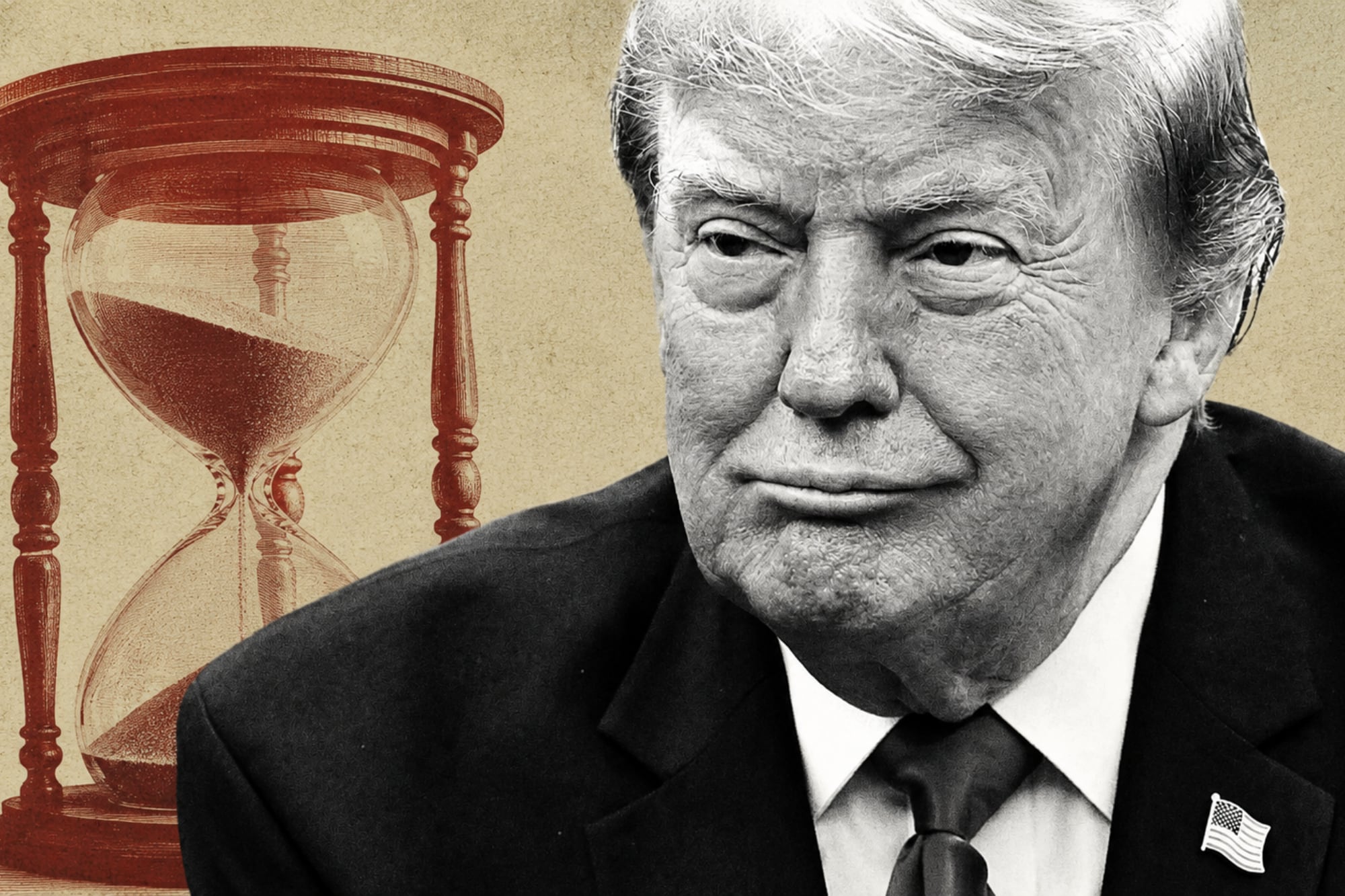
The US House of Representatives has approved a bill that would make Daylight Saving Time permanent, a move that has been celebrated by former President Donald Trump. This legislative development signifies a potential end to the twice-yearly clock changes that have been a long-standing practice in the United States. However, the bill's journey is far from over, as it now faces significant opposition and scrutiny in the Senate. Several senators have expressed concerns and objections, indicating that the path to eliminating the time change will be challenging. The outcome remains uncertain, with further debate and negotiation expected in the upper chamber of Congress. The approval in the House represents a notable step forward, but the Senate's stance will be critical in determining the future of Daylight Saving Time in the US. The debate highlights differing perspectives on the practice and its impact on daily life and the economy.
The legislative push to make Daylight Saving Time permanent reflects a growing societal desire for stability and predictability, potentially driven by concerns over disruptions to sleep patterns and economic activity. While the House's approval signals momentum, the Senate's objections underscore the complexity of national policy-making, where diverse regional interests and established practices must be reconciled. The debate over time changes intersects with broader discussions about energy consumption, public health, and the alignment of societal schedules with technological advancements. Future policy decisions will likely involve balancing these competing considerations, with potential implications for various sectors, including agriculture, transportation, and individual well-being, as the nation navigates the evolving landscape of daily life in the coming decade.
AI-generated to prompt reflection — not editorial opinion, not advice, not a statement of fact. How this works.