US Decision on Brazil Tariffs Looms; Brazil Bets on Implementation Delay and Exceptions
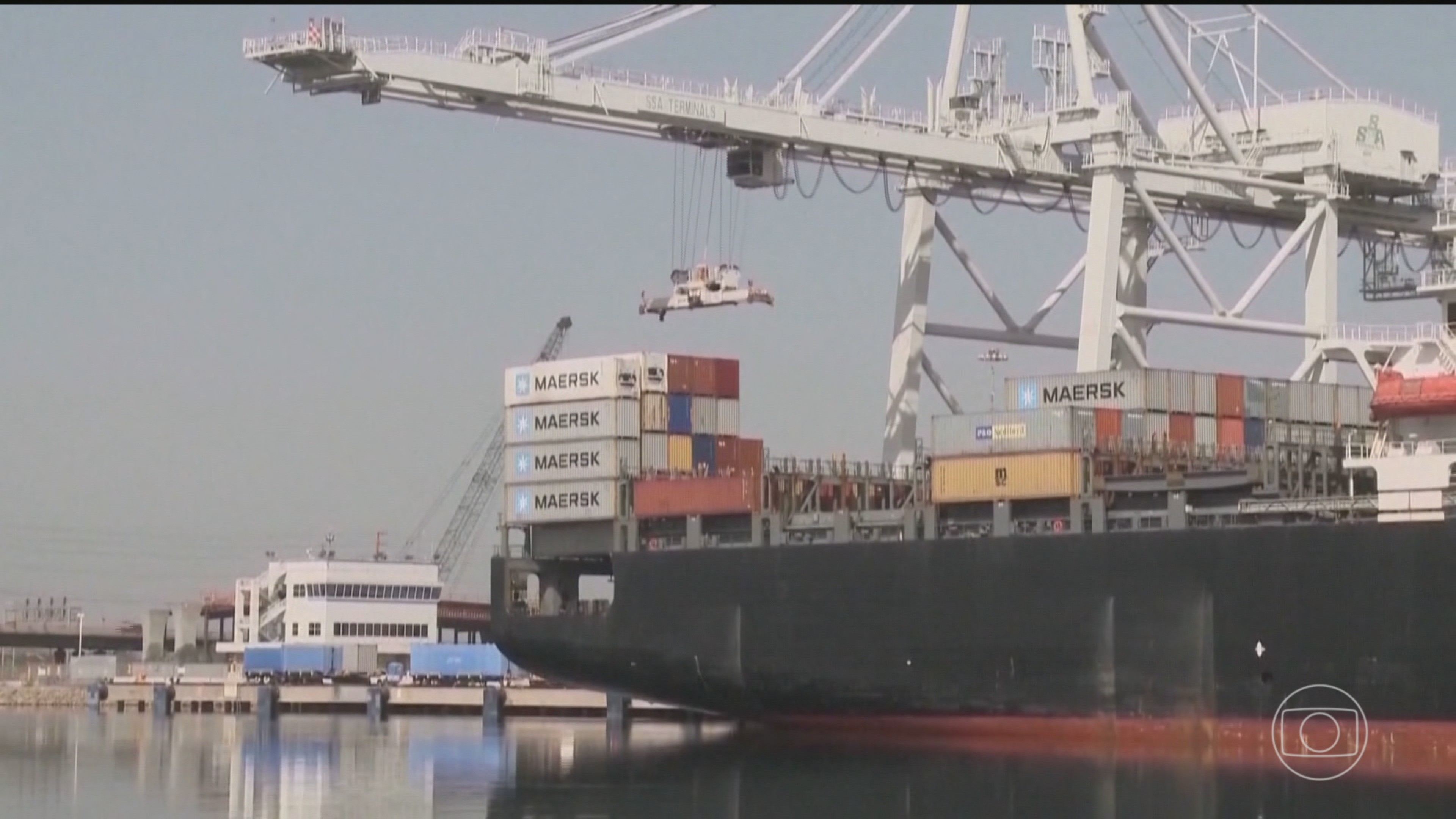
The United States is set to decide on Wednesday, February 15th, whether to impose new tariffs on Brazilian products. The Brazilian government, led by President Luiz Inácio Lula da Silva, is preparing for the confirmation of these new tariffs. However, they are hoping that the U.S. government will implement the decision with a delayed effective date and include a list of exceptions to mitigate the impact. As of Tuesday evening, February 14th, the Brazilian government had not received any signals from the Trump administration regarding their decision. This uncertainty has caused apprehension among Brazilian business leaders. The U.S. government concluded an investigation on June 1st, alleging that Brazil engages in trade-restricting practices, including illegal deforestation, piracy, and issues related to the PIX payment system. The U.S. Trade Representative's office proposed a 25% tariff on Brazilian goods as a result. Additionally, the U.S. announced a separate 12.5% tariff on 60 countries, including Brazil, for perceived failures in combating forced labor. In both instances, exceptions were considered to prevent price increases in the American market. High-level technical teams from both nations met for the fifth time on Tuesday, February 13th, to discuss the tariff investigation. Brazil's Ministry of Development, Industry, Trade, and Services, the Ministry of Foreign Affairs, and the Special Advisory Office of the President met with U.S. Trade Representative Jamieson Greer. Brazil reiterated its view that the tariffs are unfair, and Greer had previously stated that an agreement was still distant. If confirmed, Brazil anticipates the tariffs will follow a phased implementation process, similar to a previous instance where a 50% tariff was announced, later reduced, and implemented with exceptions. American companies reliant on Brazilian imports are lobbying Washington to exclude certain products from these potential tariffs, increasing the possibility of an expanded exception list. The Brazilian Ministry of Foreign Affairs has identified 43 U.S. companies and trade associations advocating against the tariffs, citing a lack of domestic substitutes for these Brazilian products. Estimates suggest the tariffs could affect approximately 4,200 Brazilian export products, valued at $15 billion. Brazil's official reaction is expected to express indignation, aligning with previous public statements and official responses from the Ministry of Foreign Affairs, which argue that Brazilian tariffs are already favorable to U.S. exports. Brazil's technical teams will analyze the decision to determine next steps, potentially including further negotiations or invoking the Law of Reciprocity, which allows Brazil to retaliate against countries imposing barriers. The Brazilian government currently does not plan direct negotiations with Donald Trump.
The potential imposition of U.S. tariffs on Brazilian goods highlights the complex interplay between national trade policies, domestic economic pressures, and international relations. The U.S. action, framed around issues like deforestation and labor practices, may reflect a broader strategy to leverage trade as a tool for achieving foreign policy objectives or to protect domestic industries. Brazil's response, focusing on implementation timelines and exceptions, suggests a strategy of de-escalation and damage control, aiming to preserve export markets while asserting its sovereign right to set its own trade policies. The involvement of U.S. businesses lobbying for exceptions indicates that the economic consequences of such tariffs are not uniformly distributed, creating internal divisions within the U.S. business community. Looking ahead, the durability of such trade disputes will likely depend on evolving geopolitical alignments, the effectiveness of international trade dispute resolution mechanisms, and the ability of both nations to find mutually acceptable compromises that balance economic interests with broader policy goals.
AI-generated to prompt reflection — not editorial opinion, not advice, not a statement of fact. How this works.