US Defends Saudi Civilian Nuclear Deal, Citing 'America First' Approach
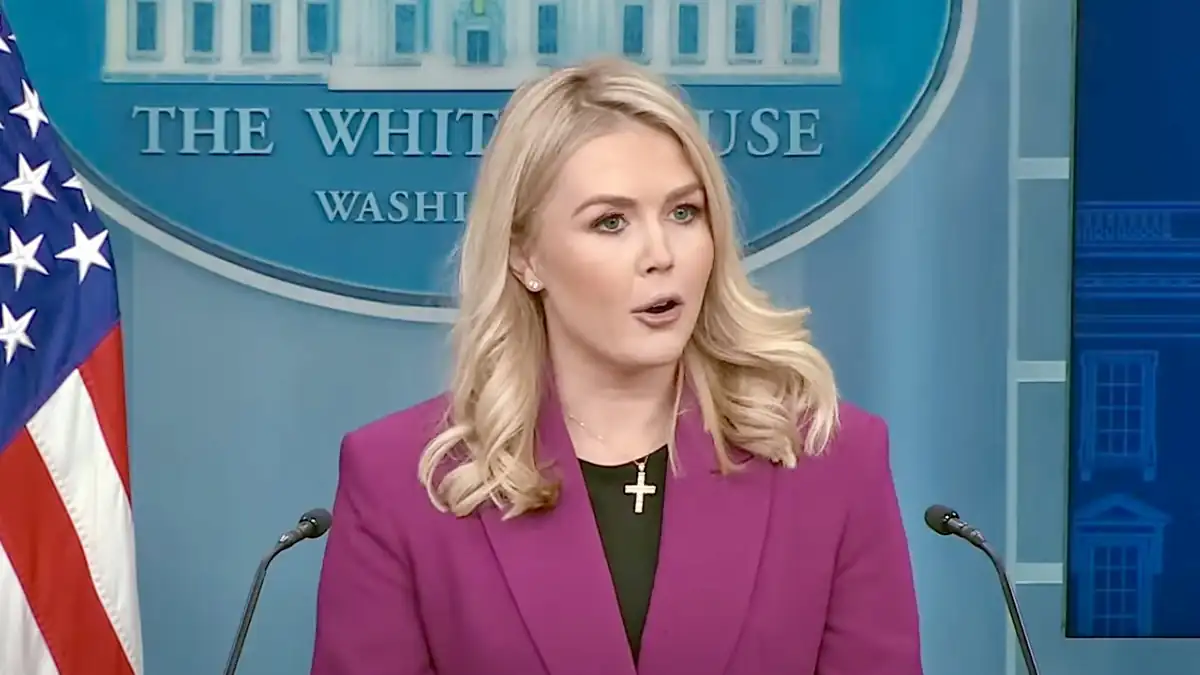
The United States has defended its civilian nuclear cooperation agreement with Saudi Arabia, particularly in response to questions highlighting the differing treatment compared to Iran. During a White House press briefing, spokesperson Karoline Leavitt addressed a journalist's query by stating, "Our agreement with Saudi Arabia puts America first." This response suggests a foreign policy framework prioritizing national interests in such international agreements. The administration's stance implies that the terms and conditions of the deal with Riyadh are structured to benefit the United States directly. While the specifics of the "America First" approach in this context were not elaborated upon, the statement indicates a strategic calculation behind the agreement. The White House's justification frames the Saudi deal as a distinct arrangement, differentiated from any potential or past nuclear discussions with Iran. This distinction is presented as a matter of national strategic priority and benefit. The spokesperson's brief comment underscores a transactional approach to international partnerships in sensitive technological areas like nuclear energy.
The White House's justification for its civilian nuclear agreement with Saudi Arabia, framed by an "America First" principle, suggests a foreign policy prioritizing perceived national economic and strategic advantages. This approach may reflect a broader trend of transactional diplomacy, where international cooperation is primarily assessed through the lens of direct benefit to the United States. Such a framework could lead to differentiated treatment of nations based on their perceived alignment with U.S. interests or their potential as economic partners. The long-term implications of this policy might involve complex geopolitical considerations, potentially influencing regional stability and international nuclear non-proliferation norms. Evaluating this approach requires considering whether prioritizing bilateral gains might inadvertently create strategic dependencies or alter the regional balance of power in the coming decade.
AI-generated to prompt reflection — not editorial opinion, not advice, not a statement of fact. How this works.