US Defense Department Plans to Extend Ukraine Aid Until 2029
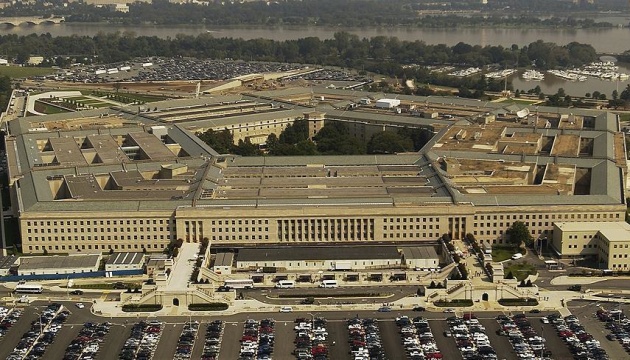
The administration of former U.S. President Donald Trump informed members of Congress that it does not intend to fully disburse the $400 million in aid approved for Ukraine until the 2029 fiscal year. This decision indicates a significant extension of the timeline for utilizing these congressionally allocated funds. The Pentagon's plan suggests a prolonged commitment to providing assistance, stretching the deployment of these resources over several years. The specific reasons for this extended timeline have not been fully detailed in the initial reports. However, the announcement was made to congressional leadership, implying a need for transparency regarding the management of foreign aid.
This development raises questions about the pacing and strategic deployment of U.S. security assistance to Ukraine. The extended duration could reflect various factors, including bureaucratic processes, the evolving security situation, or broader strategic considerations by the Trump administration. The $400 million was originally approved by Congress to support Ukraine's defense capabilities and security needs. The delay in full disbursement until 2029 suggests a potentially different approach to aid delivery than initially anticipated by lawmakers.
The reported plan by the Trump administration to extend the disbursement of $400 million in aid to Ukraine until fiscal year 2029 suggests a strategic approach to long-term resource allocation. This extended timeline may reflect an effort to manage budgetary impacts over multiple fiscal cycles or to align aid delivery with evolving geopolitical conditions and Ukraine's strategic needs. From a governance perspective, such extended disbursement schedules can offer flexibility but also raise questions about immediate impact versus sustained support. The decision prompts consideration of how future administrations might balance immediate security requirements with the long-term financial planning of foreign assistance, particularly in regions facing ongoing geopolitical challenges. This approach could be viewed as a method to ensure consistent, albeit gradual, support, allowing for adaptive strategies in response to dynamic security environments over the next decade.
AI-generated to prompt reflection — not editorial opinion, not advice, not a statement of fact. How this works.