US Defense Secretary to Discuss F-35 Sale to Turkey with Israeli PM
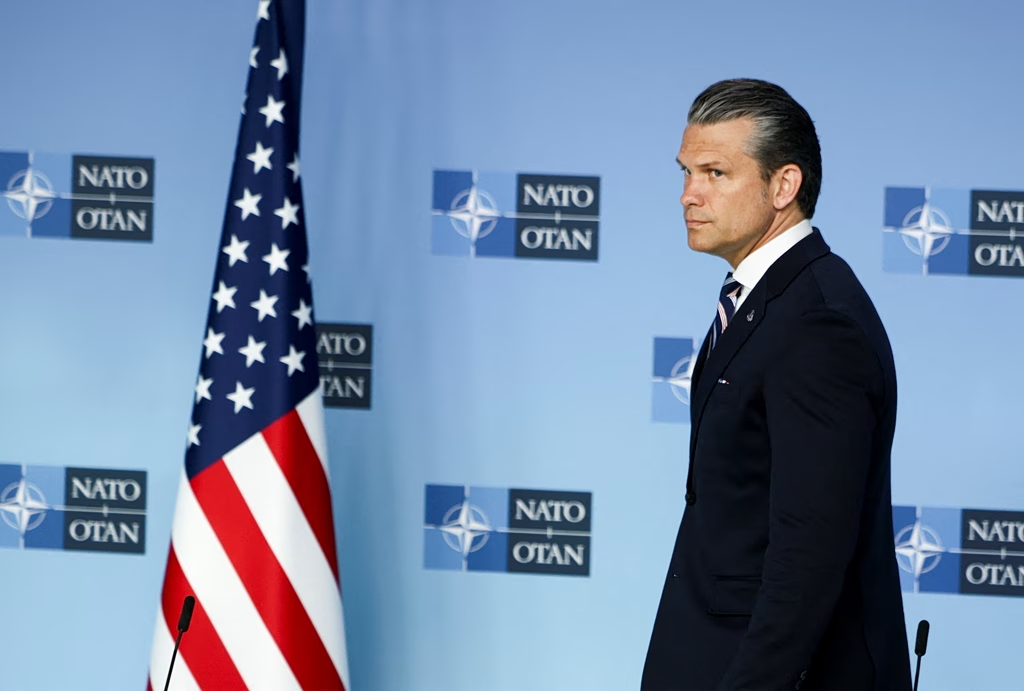
U.S. Defense Secretary Pete Hegseth is scheduled to meet with Israeli Prime Minister Benjamin Netanyahu on Wednesday to discuss the potential sale of F-35 fighter jets to Turkey. The meeting, as reported by Reuters citing an informed source, comes amid expectations that such a sale could provoke anger among Israeli officials. The specific details of the conversation and the U.S. stance on the potential transfer of advanced military hardware were not fully disclosed by the source. This discussion highlights the complex geopolitical dynamics surrounding military aid and arms sales in the Middle East. The F-35 is a highly advanced stealth fighter jet, and its sale to any nation is subject to stringent U.S. government approval and international considerations. The potential implications for regional security and alliances are significant, particularly given the existing relationships and potential rivalries between the involved parties. The source indicated that the topic is sensitive and involves high-level diplomatic engagement. Further details are anticipated following the meeting.
The impending discussion between U.S. Defense Secretary Pete Hegseth and Israeli Prime Minister Benjamin Netanyahu regarding a potential F-35 sale to Turkey underscores the intricate balance of geopolitical interests and security alliances in the Middle East. From a strategic perspective, the U.S. faces a complex decision, weighing its security partnership with Israel against its broader diplomatic and defense objectives concerning Turkey and regional stability. The sale of advanced military technology like the F-35 is inherently linked to maintaining technological superiority for allies and managing potential escalations. This situation presents a case study in how national security decisions are influenced by a confluence of alliance commitments, regional power dynamics, and the evolving threat landscape. The U.S. government's approval process for such sales is designed to navigate these competing pressures, aiming to uphold its strategic interests while mitigating risks to its partners and allies in a volatile region. The outcome will likely reflect a careful calibration of these factors, with implications for future defense cooperation and regional security architectures.
AI-generated to prompt reflection — not editorial opinion, not advice, not a statement of fact. How this works.