US Defense Strategies Risk Sparking a New Global Arms Race
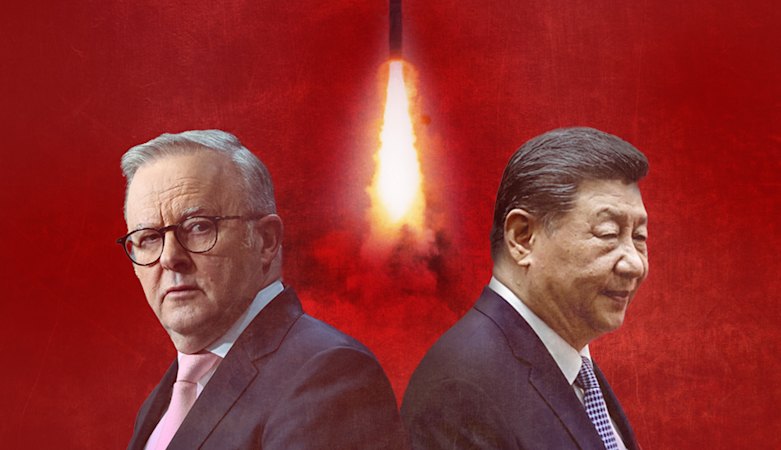
Recent national security and defense strategies adopted by the United States are predicted to escalate global tensions and inevitably lead to a dangerous new arms race. The assessment suggests that these policy shifts, rather than enhancing international safety, are creating a more precarious global environment. This approach is seen as counterproductive to achieving lasting peace and stability. The implications of such an arms race could be far-reaching, potentially destabilizing international relations and increasing the risk of conflict. The document implies that alternative strategies focusing on diplomacy and de-escalation might be more effective in ensuring global security. The current trajectory, however, points towards increased military competition and heightened risks for all nations involved. This situation warrants careful consideration of the long-term consequences of current defense postures.
The assertion that US national security and defense strategies may instigate an arms race suggests a focus on competitive security paradigms. Such approaches often stem from perceived threats and a desire for strategic advantage, potentially triggering reciprocal actions from other major powers. This dynamic can create a security dilemma where defensive measures are interpreted as offensive, leading to a cycle of escalation. Evaluating these strategies requires considering whether they prioritize deterrence through military strength over diplomatic engagement and arms control. The long-term implications may involve significant resource allocation to military buildup, potentially diverting funds from other critical areas, and increasing the risk of miscalculation in an already complex geopolitical landscape. The effectiveness of such strategies in promoting genuine, lasting security versus short-term dominance warrants critical examination.
AI-generated to prompt reflection — not editorial opinion, not advice, not a statement of fact. How this works.