US Demands Iran Publicly Admit Mistake in Strait of Hormuz Incident
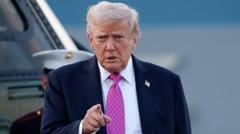
The White House is seeking a public admission from Iran that the shooting incident involving ships in the Strait of Hormuz was a mistake. According to a report by CBS, the US media outlet and BBC's American affiliate, this demand is a key condition for de-escalation. President Trump has indicated that Iran must either acknowledge its error or prepare to face consequences. The situation remains tense in the vital waterway, with significant global implications for oil transport and regional stability. The US stance suggests a desire for Iran to take responsibility for its actions, potentially as a prerequisite for any diplomatic engagement or relief from sanctions. The specific details of the incident, including the exact nature of the 'shooting' and the vessels involved, are not fully elaborated in the provided text, but the US emphasis is on Iran's public acknowledgment of fault. The outcome of this demand could significantly influence future US-Iran relations and the broader geopolitical landscape of the Middle East.
The US demand for a public admission of error from Iran regarding the Strait of Hormuz incident highlights a strategic objective to establish a clear narrative and accountability. This approach aims to leverage Iran's acknowledgment as a diplomatic tool, potentially influencing future negotiations or the application of international pressure. The emphasis on a public statement suggests a focus on perception and international standing, rather than solely on immediate punitive measures. From a geopolitical perspective, such a demand could be seen as an attempt to de-escalate tensions by creating a pathway for Iran to concede without complete capitulation, thereby avoiding further military confrontation. However, the effectiveness of this strategy hinges on Iran's willingness to comply, which is subject to its own internal political dynamics and strategic calculations regarding its regional influence and relationship with global powers. The long-term implications involve navigating the complex interplay of national sovereignty, international law, and the economic and security interests of multiple actors in the critical Strait of Hormuz.
AI-generated to prompt reflection — not editorial opinion, not advice, not a statement of fact. How this works.