US Demands Iran Publicly Pledge Not to Attack Ships in Strait of Hormuz
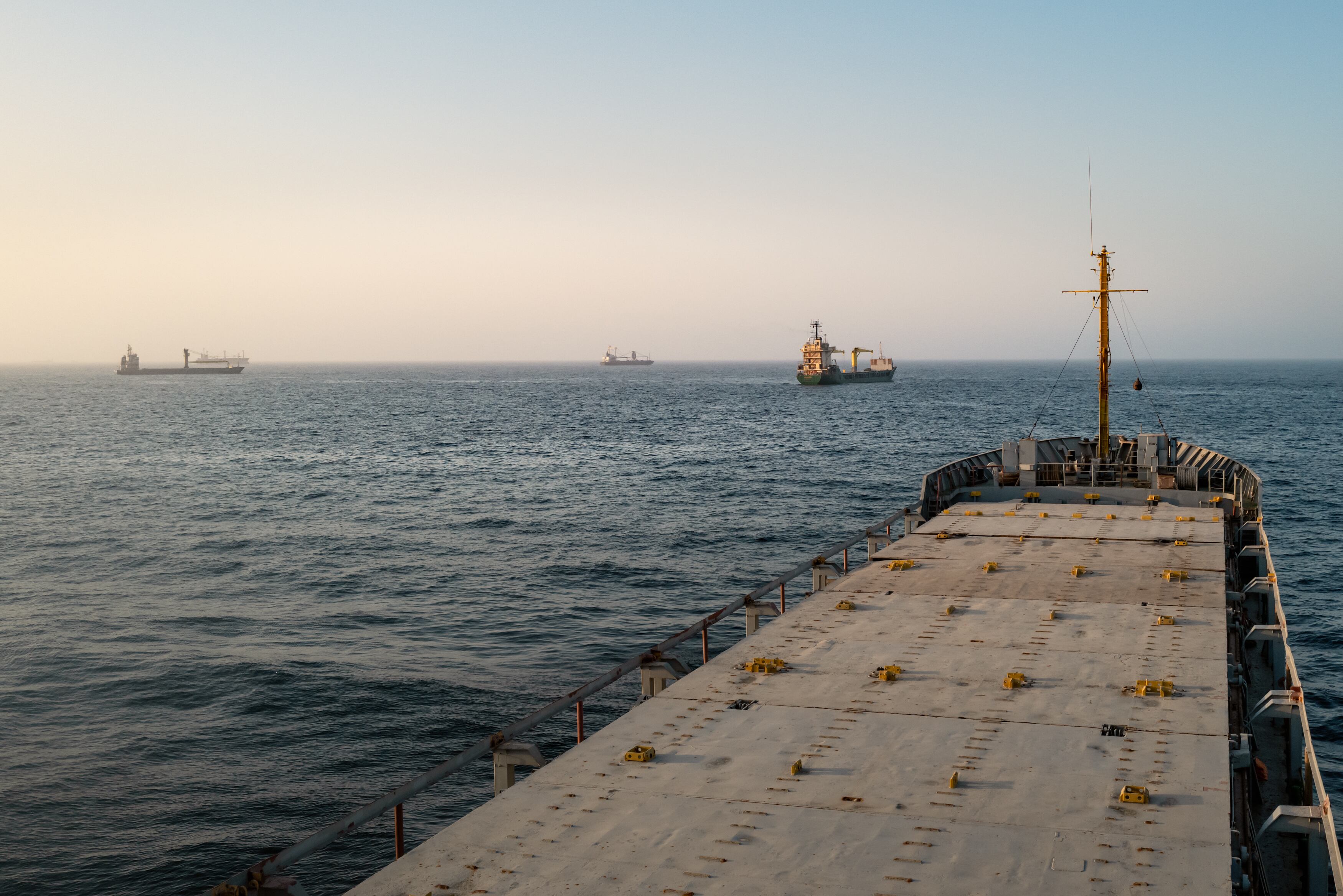
The United States has publicly demanded that Iran commit to not attacking vessels in the Strait of Hormuz. This demand comes as Iran's Foreign Minister travels to Oman to resume negotiations concerning the crucial waterway. The situation remains tense, with both sides exchanging threats of annihilation and accusations regarding the potential breach of a truce. The Strait of Hormuz is a vital chokepoint for global oil shipments, making any disruption a significant concern for international trade and energy security. The ongoing diplomatic efforts in Oman aim to de-escalate tensions and prevent further military confrontations in the region. However, the exchange of threats highlights the deep mistrust and adversarial relationship between the two nations. The outcome of these negotiations is critical for maintaining stability in the Persian Gulf and ensuring the free flow of maritime commerce.
The US demand signals a strategic effort to secure maritime passage through a critical global chokepoint, leveraging diplomatic channels alongside implicit military deterrence. Iran's engagement in negotiations, despite reciprocal threats, suggests an acknowledgment of the economic and strategic implications of conflict in the Strait of Hormuz. Future geopolitical stability in the region may hinge on the effectiveness of such diplomatic maneuvers in managing escalating tensions and establishing clear operational boundaries. The interplay between national security interests and international trade obligations will continue to shape regional dynamics, potentially influencing global energy markets and supply chain resilience over the next decade.
AI-generated to prompt reflection — not editorial opinion, not advice, not a statement of fact. How this works.