US Democrats Divided Over Populist vs. Moderate Path Ahead of Midterms
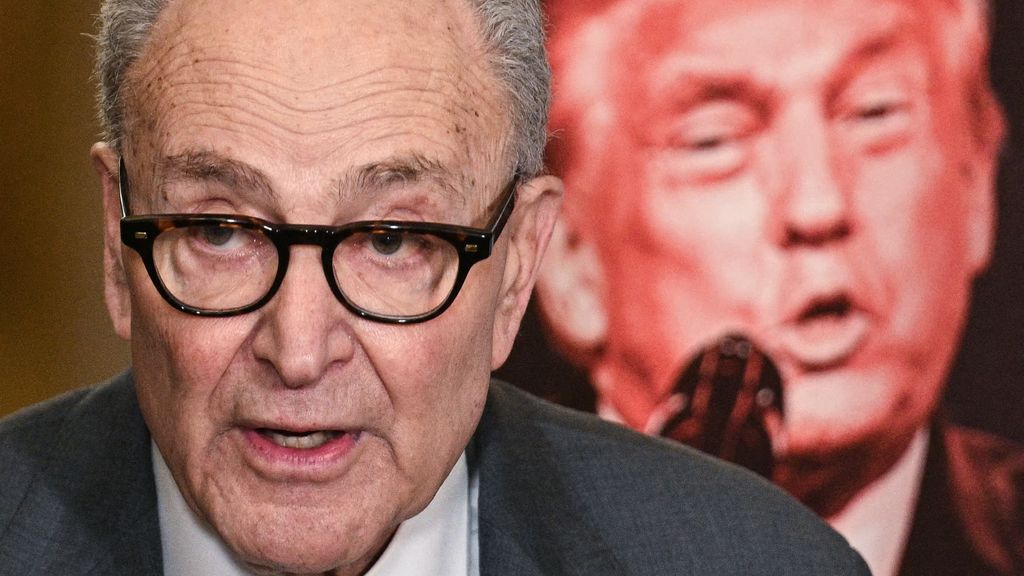
The US Democratic Party is grappling with a significant internal debate over its ideological direction as it prepares for the upcoming midterm elections. With Republicans currently holding sway in the White House, Congress, and the Supreme Court, Democrats are strategizing to regain political ground. A key challenge emerged this week in Maine when a promising Senate candidate withdrew following allegations of rape and assault, complicating the party's chances of winning a crucial Senate seat. This event has intensified the discussion about whether the party should embrace a more populist, progressive stance or a moderate approach to appeal to a broader electorate.
Progressive candidates, often aligned with democratic socialism and inspired by figures like Bernie Sanders, have seen recent successes in Democratic primaries in New York, Colorado, and Michigan. These candidates advocate for policies such as affordable healthcare, a critical view of the US alliance with Israel, and a more confrontational stance against President Trump, aiming to shed the perception of being an elitist party out of touch with ordinary Americans. New York City Mayor Zohran Mamdani is cited as an example of this movement's potential, having successfully campaigned on economic inequality.
However, the traditional wing of the party expresses concern that this progressive agenda may not resonate in more conservative states. They point to instances where moderate candidates have outperformed progressive ones in certain regions. This divergence is also evident in their differing approaches to foreign policy, particularly concerning Israel. Moderate Democrats view Israel as a key ally and are wary of progressive stances perceived as overly pro-Palestinian, with some even suggesting an antisemitic undertone. They fear that embracing socialist rhetoric could alienate voters and provide ammunition for Republicans, who have already begun framing democratic socialists as communists. Senate Majority Leader Chuck Schumer, while acknowledging the party's energy, emphasizes unity in the goal of winning congressional seats in November to counter Donald Trump's agenda.
The internal ideological struggle within the Democratic Party highlights a fundamental tension between appealing to a progressive base and maintaining broad electoral viability. The party faces a strategic dilemma: whether to lean into a more overtly progressive, populist message that energizes a growing segment of its supporters, or to adopt a more centrist approach to capture swing voters and counter Republican framing. The success of progressive candidates in primaries suggests a growing appetite for their policy prescriptions, yet the concerns raised by the moderate wing about electability in diverse political landscapes are valid. This dynamic underscores the challenge of coalition politics in a polarized environment, where different factions prioritize distinct policy goals and electoral strategies. The coming midterm elections will serve as a critical test of which path, if any, can effectively unify the party and achieve its overarching objective of limiting Republican influence.
AI-generated to prompt reflection — not editorial opinion, not advice, not a statement of fact. How this works.