US Denies Election Interference Aim in Brazil Diplomatic Mission
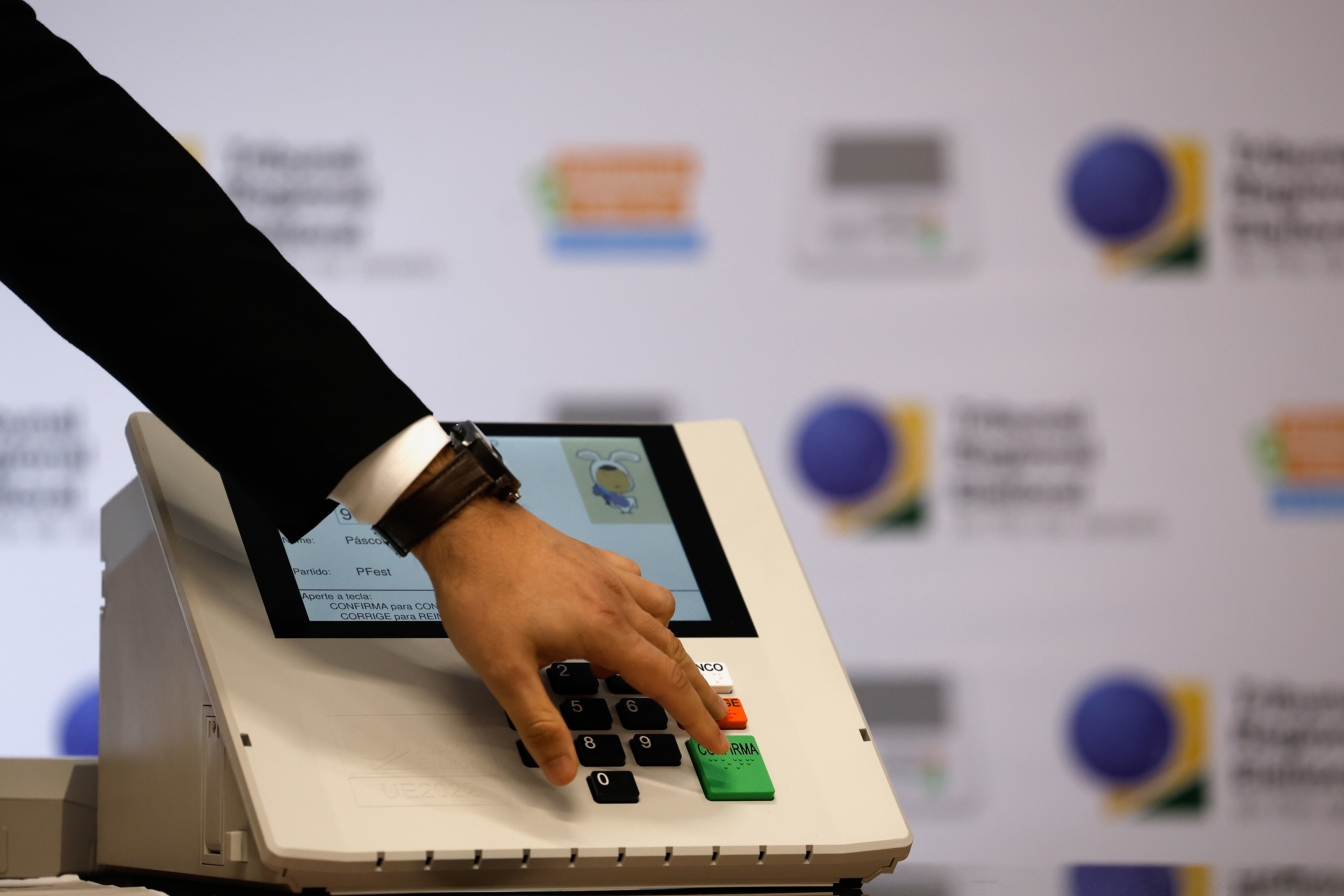
A spokesperson for the U.S. Department of State has denied allegations that a planned diplomatic mission to Brazil was intended to interfere with the country's elections. The statement was issued after Brazil's Ministry of Foreign Affairs, Itamaraty, denied entry visas to two State Department officials. The U.S. characterized the planned visit as a "routine visit" and labeled claims of undermining the Brazilian electoral system as "baseless lies." According to the State Department, Assistant Secretary Riley M. Barnes and Deputy Assistant Secretary Samuel Samson were scheduled to visit Brasília from July 27-30. Their itinerary included meetings with government officials, religious leaders, and civil society representatives to discuss electoral integrity, religious freedom, and freedom of expression. The denial of visas by Brazil came before a report by The Washington Post, which identified the two officials as central to a strategy questioning the integrity of Brazil's electoral system. The mission was reportedly planned shortly before Brazil's presidential elections on October 4. Brazilian presidential advisors suggested that Secretary of State Marco Rubio's decision to send the mission, amid doubts raised by Flávio and Eduardo Bolsonaro about electronic voting machines, indicated a coordinated effort to discredit the electoral system. Flávio Bolsonaro had previously met with representatives from about 40 countries, suggesting they send international observers to the Brazilian elections, despite denying he was questioning the system. Justices within Brazil's Supreme Federal Court (STF) deemed the proposed mission "scandalous" and "unusual," viewing it as an attempt at external interference in a matter of exclusive Brazilian jurisdiction and its electoral process.
The U.S. State Department's assertion of a "routine visit" for electoral integrity discussions, juxtaposed with Brazil's visa denial and concerns over potential interference, highlights a delicate diplomatic tension. The incident underscores the complex interplay between national sovereignty in electoral processes and international engagement on democratic norms. Brazil's decision reflects a protective stance regarding its internal governance, particularly given prior domestic discourse questioning its electronic voting system. The situation prompts consideration of how transparency and mutual trust can be fostered in international cooperation on democratic standards, especially in the lead-up to significant elections, without inadvertently creating perceptions of undue influence or undermining established institutional frameworks.
AI-generated to prompt reflection — not editorial opinion, not advice, not a statement of fact. How this works.