US Denounces Ortega's 'Authoritarian Nature' Over Refusal to Hold Elections
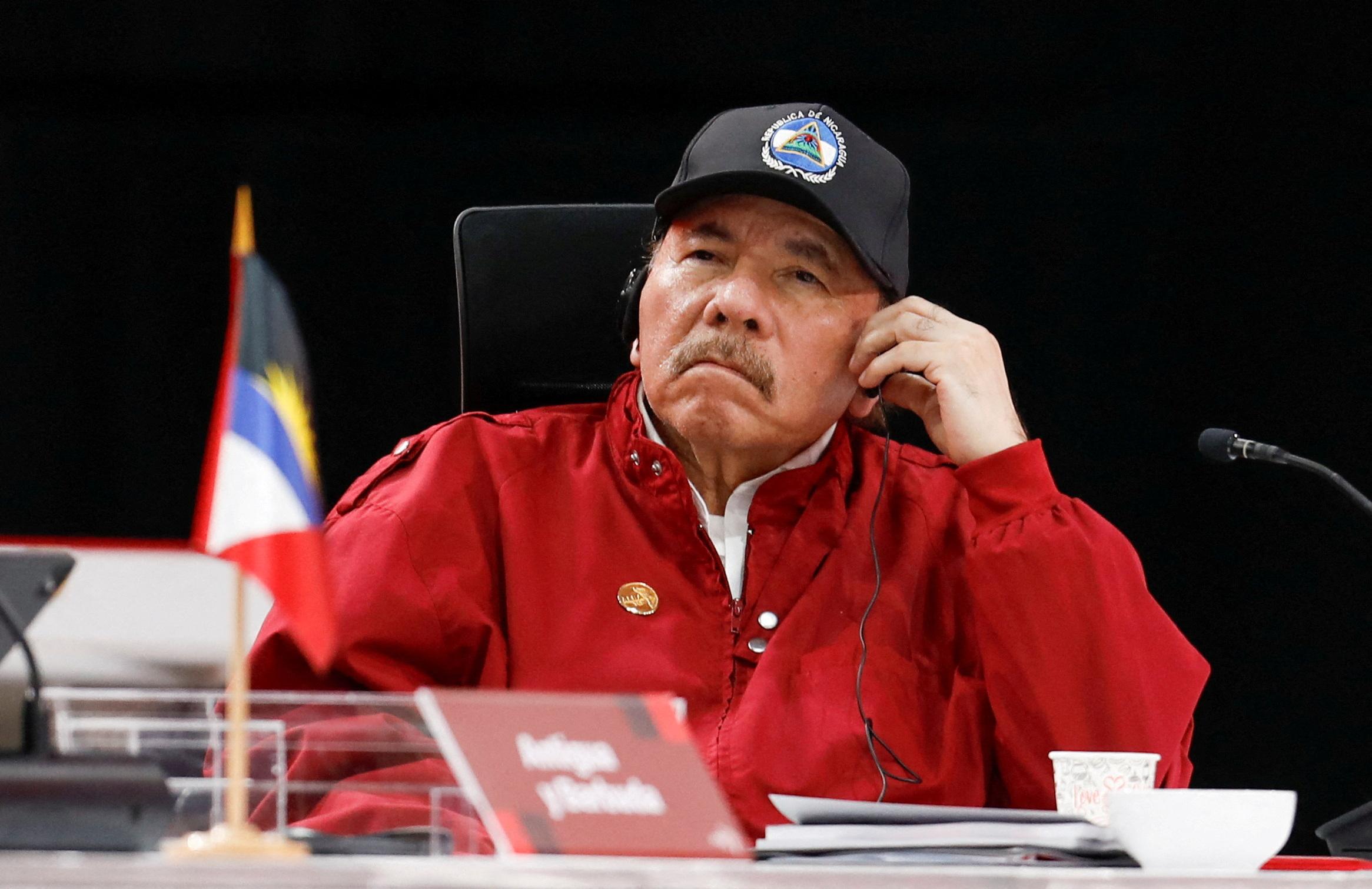
The United States has criticized Nicaraguan President Daniel Ortega, denouncing the "authoritarian nature" of his government. This condemnation follows Ortega's refusal to organize elections in the country. Ortega, an 80-year-old former Marxist guerrilla leader, has been in power since the 2007 elections. He initially rose to prominence through a revolution against a US-backed autocrat. His current tenure has drawn international scrutiny regarding democratic processes.
The US stance highlights a recurring tension between established political powers and international democratic norms. Nicaragua's political landscape, under Daniel Ortega's long-standing leadership, presents a case study in governance challenges. The refusal to hold elections raises questions about the sustainability of leadership transitions and the mechanisms for ensuring political accountability. Future developments will likely be shaped by the interplay of domestic political dynamics and external diplomatic pressures, impacting the nation's trajectory in the coming decade.
AI-generated to prompt reflection — not editorial opinion, not advice, not a statement of fact. How this works.