US Deploys Naval Drones in Strait of Hormuz Amid Rising Tensions with Iran
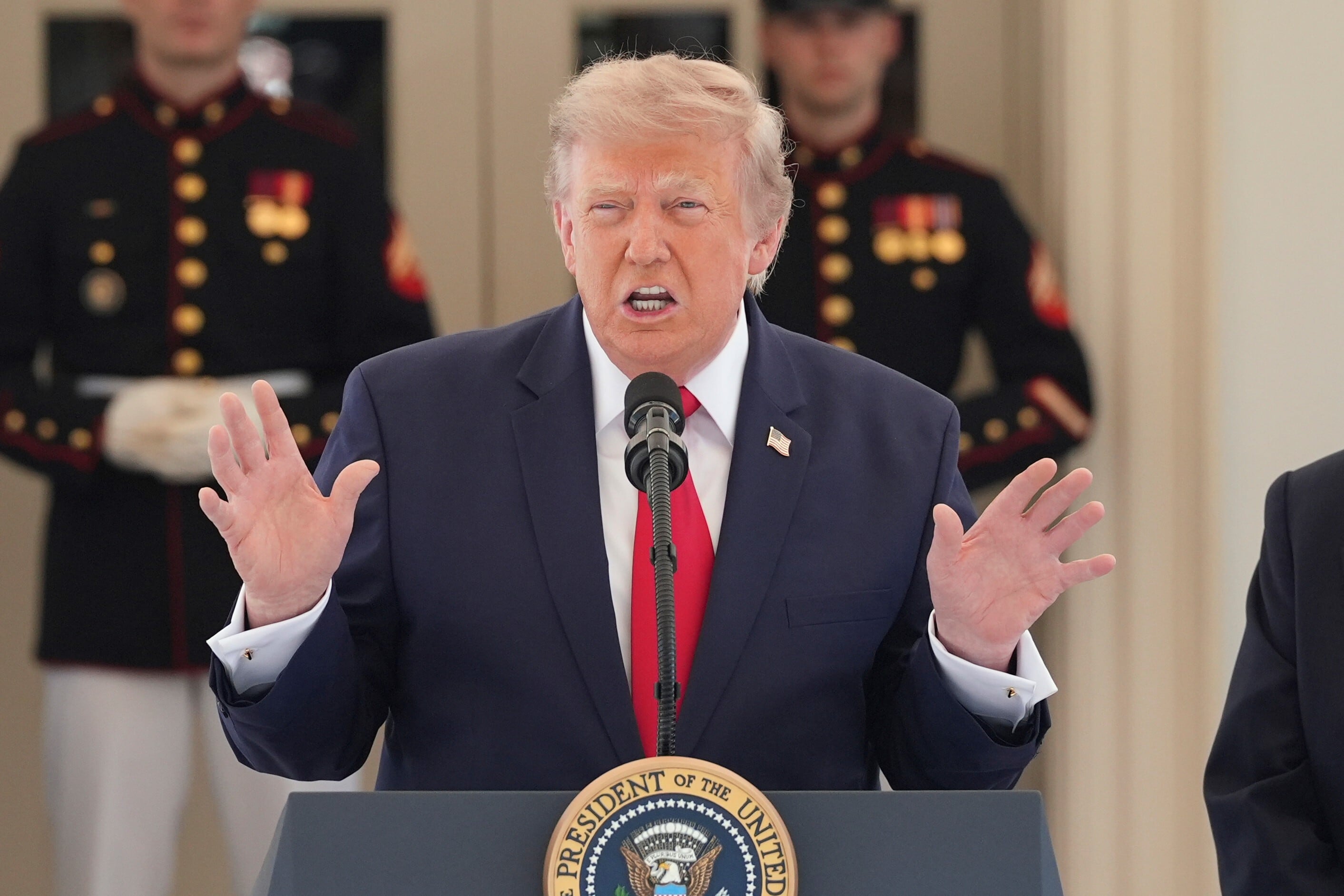
The Trump administration has deployed naval drones in the Strait of Hormuz as part of a new strategy to confront Iran. This move follows escalating tensions and warnings issued by the President. The deployment of these unmanned maritime systems signifies a shift in US tactics in the strategically vital waterway. The Strait of Hormuz is a critical chokepoint for global oil supplies, making any military activity there a significant concern for international stability. The increased military presence by the United States is likely to be met with a response from Iran, potentially leading to further escalation in the region. International analysts are closely monitoring the situation to assess the implications of this new US strategy. The effectiveness and potential consequences of using naval drones in this sensitive area remain to be seen. The situation highlights the ongoing geopolitical challenges and the delicate balance of power in the Middle East.
The deployment of naval drones in the Strait of Hormuz represents a strategic adaptation by the US, leveraging technological advancements to project power while potentially mitigating risks to personnel. This approach could signal a broader shift towards autonomous systems in future military engagements. The escalation in tensions underscores the persistent geopolitical friction in the region, driven by competing interests and security concerns. Future developments will likely hinge on the reciprocal actions of both the US and Iran, and how international actors respond to the increased military activity. The long-term implications for regional stability and global energy markets warrant careful observation as technological capabilities evolve and diplomatic efforts are tested.
AI-generated to prompt reflection — not editorial opinion, not advice, not a statement of fact. How this works.