US Deportation Flights to Africa Stop in Dakar, Highlighting Senegal's Logistics Role
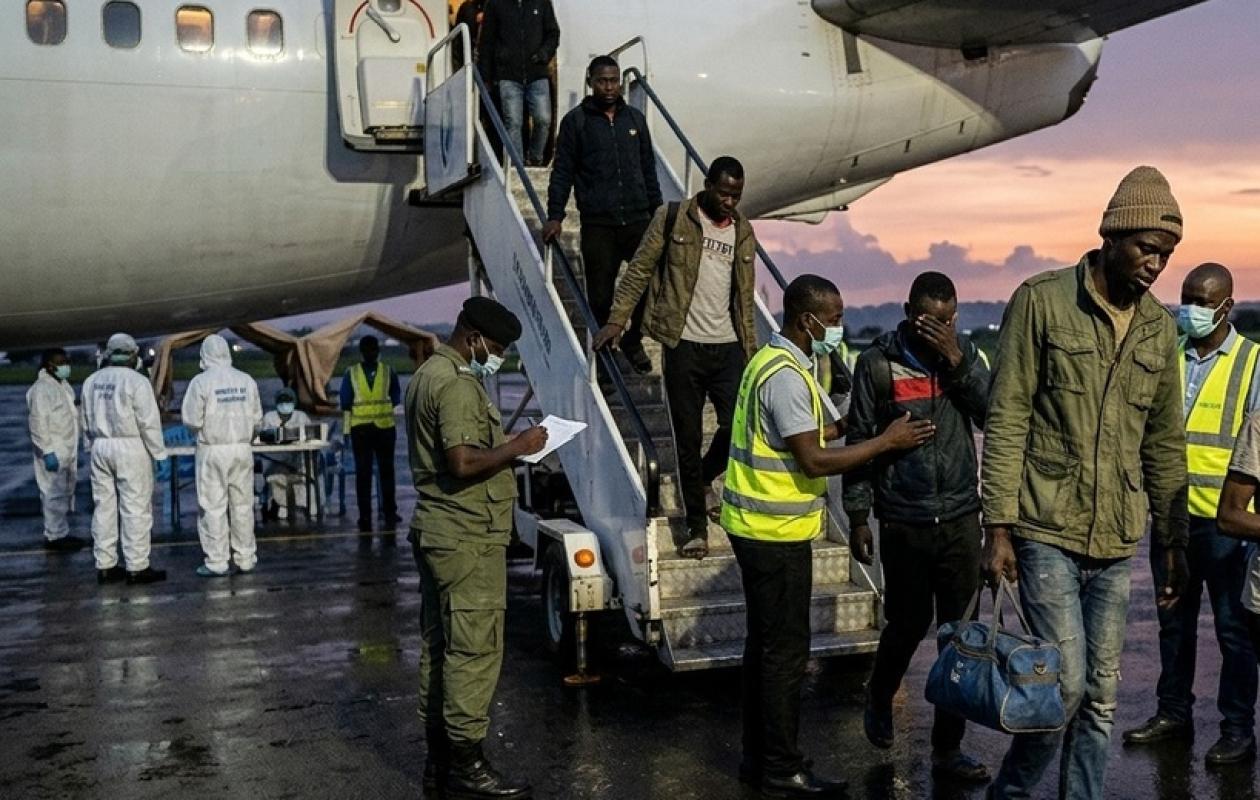
Dakar, Senegal, is serving as a logistical hub for U.S. deportation flights bound for four African countries. This revelation has raised concerns within the Senegalese community in the United States, who are worried about the potential for increased deportations. The flights underscore Senegal's growing importance as a transit point for international migration management. The U.S. government's use of Dakar as a stopover indicates a strategic approach to facilitating deportations to various African nations. This development highlights the complex geopolitical dynamics surrounding migration and repatriation in West Africa. The situation is particularly concerning for Senegalese citizens residing in the U.S. who may be subject to these expulsion orders. The implications extend beyond individual cases, touching upon broader issues of immigration policy and international cooperation. Senegal's role as a logistical platform for these flights positions it as a key player in the U.S. immigration enforcement apparatus concerning African deportees. The full scope of the four African countries targeted by these flights has not been specified, but the involvement of Dakar is now confirmed.
The U.S. government's utilization of Dakar as a logistical node for deportation flights to multiple African nations illustrates a pragmatic approach to managing international repatriation. This strategy leverages existing infrastructure to streamline the complex process of returning individuals. For Senegal, this role presents both economic opportunities through logistics services and potential diplomatic challenges. The situation prompts consideration of the incentive structures driving international cooperation on migration enforcement and the ethical dimensions of facilitating deportations. Looking ahead, the increasing reliance on such transit points may signal evolving global migration governance, where key transit countries become integral to the enforcement mechanisms of destination countries. This dynamic could shape future bilateral relations and regional migration policies.
AI-generated to prompt reflection — not editorial opinion, not advice, not a statement of fact. How this works.