US Diarrhea Outbreak Prompts 40% of Americans to Shun Fruits and Vegetables
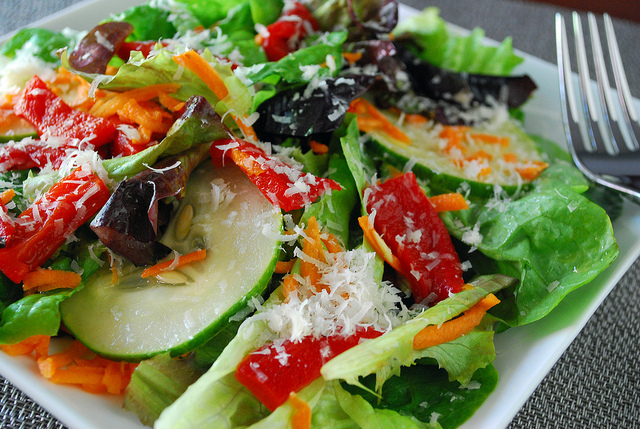
A significant outbreak of diarrhea has led a substantial portion of the American population to alter their eating habits, with 40% now avoiding fruits and vegetables. This dietary shift comes amid growing concerns about food safety. Critics have pointed out that while presidential candidate Robert F. Kennedy Jr. has emphasized the importance of nutrition in his platform, his focus has seemingly overlooked crucial aspects of food safety. This has raised questions about the comprehensiveness of his approach to public health and dietary guidelines. The outbreak highlights a potential disconnect between nutritional advice and the practical safety measures needed to ensure food consumption is not hazardous. The avoidance of produce by such a large segment of the population suggests a deep-seated fear or distrust stemming from the recent health crisis. This situation underscores the critical need for robust food safety protocols to be integrated with nutritional education and policy-making. The long-term implications for public health and the agricultural industry remain to be seen.
The reported avoidance of fruits and vegetables by 40% of Americans following a diarrhea outbreak points to a significant public health challenge where perceived food safety risks can rapidly disrupt established dietary patterns. This situation highlights the critical interdependence of nutritional goals and food safety infrastructure. While promoting healthy eating is vital, its efficacy is contingent upon consumer confidence in the safety of food sources. Critics' concerns regarding a potential neglect of food safety in favor of nutritional messaging suggest a need for more integrated public health strategies. Future policy discussions should consider how to bolster both nutritional education and the underlying food safety systems to ensure resilience against such outbreaks and maintain public trust in the food supply chain. The long-term impact on public health outcomes and agricultural markets warrants ongoing monitoring.
AI-generated to prompt reflection — not editorial opinion, not advice, not a statement of fact. How this works.