US Diplomacy Fails as Middle East Hostilities Resume
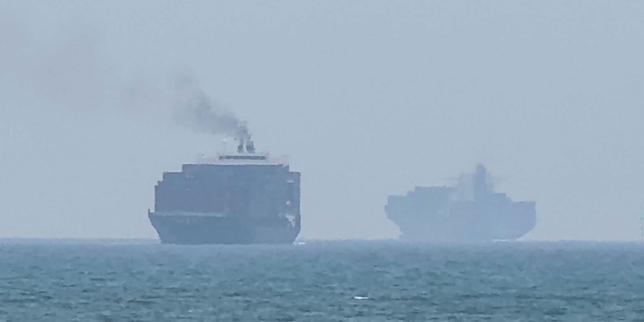
Over the weekend of July 11-12, the United States conducted airstrikes against the Islamic Republic of Iran. This action followed Tehran's announcement that it would close the Strait of Hormuz, a waterway it intends to control. The American strikes subsequently led to retaliatory actions by Iran. The situation highlights the escalating tensions in the Middle East and the apparent limitations of American diplomatic efforts in de-escalating the conflict. The control over the Strait of Hormuz is a critical strategic point, and Iran's assertion of authority over it has directly triggered a military response from the US. This exchange of hostilities underscores the volatile nature of the region and the challenges in achieving a peaceful resolution.
The recent escalation involving US airstrikes and Iranian retaliation, particularly concerning control over the Strait of Hormuz, demonstrates a recurring pattern of strategic brinkmanship in the Middle East. Iran's assertion of control over a vital global shipping lane appears to be a leverage tactic, met with a forceful military response from the US. This cycle suggests that traditional diplomatic channels may be insufficient to manage the complex interplay of national security interests and regional power dynamics. The long-term implications could involve further destabilization, impacting global energy markets and international relations, necessitating a re-evaluation of de-escalation strategies that address the underlying incentives driving such confrontations.
AI-generated to prompt reflection — not editorial opinion, not advice, not a statement of fact. How this works.