US Dollar Falls as Investors Await Key Employment Data
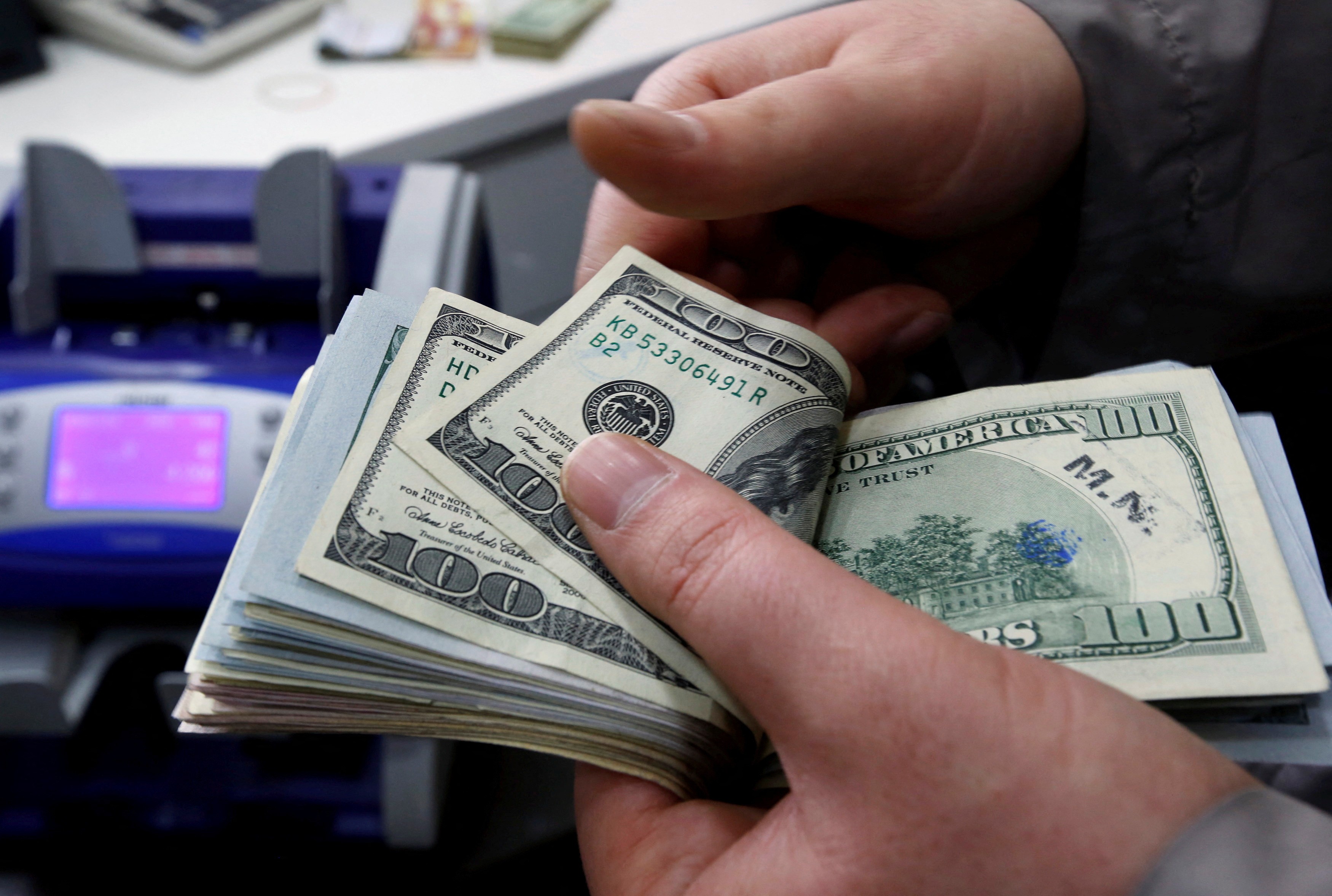
The US dollar opened Tuesday, August 4th, with a slight decline of 0.21%, trading near R$5.0764. The Ibovespa, Brazil's main stock index, was set to begin trading at 10 AM. The primary economic focus for the day is the release of new employment data from the United States, which is expected to provide insights into the American labor market and offer further indications regarding the Federal Reserve's interest rate policies. In Brazil, market attention is directed towards the Monthly Industrial Survey (PIM) and upcoming corporate earnings reports. Investors are also anticipating the Central Bank of Brazil's (BC) interest rate decision, scheduled for the following day. The Monetary Policy Committee (Copom) is widely expected to implement another cut to the basic interest rate (Selic), bringing it down to 14% annually. Meanwhile, oil prices remain a significant factor for investors. Despite conflicting reports regarding potential peace negotiations between the US and Iran, a perceived pause in attacks has boosted market optimism and improved the outlook for the resumption of traffic through the Strait of Hormuz, a critical route for approximately 20% of global oil trade. Brent crude, the international benchmark, saw a modest increase of 0.13% to $83.88 per barrel, while the West Texas Intermediate (WTI) fell 0.51% to $79.93 per barrel. The dollar has accumulated a 0.34% increase for the week, a 0.34% decrease for the month, and a 7.32% decrease year-to-date. The Ibovespa has remained flat for the week and month, but has gained 10.47% year-to-date.
The currency markets are reacting to a confluence of economic indicators and geopolitical developments. The US dollar's movement is directly tied to expectations surrounding the Federal Reserve's monetary policy, which in turn is heavily influenced by domestic employment figures. Simultaneously, global oil markets are navigating complex geopolitical tensions in the Middle East, where conflicting narratives regarding potential de-escalation and military preparedness are creating price volatility. The interplay between these factors highlights the interconnectedness of global economic stability, with events in one region having ripple effects worldwide. Investors are weighing the immediate impact of these data points against longer-term trends in inflation, interest rates, and geopolitical risk, seeking to anticipate future market movements in an environment characterized by uncertainty and rapid information flow.
AI-generated to prompt reflection — not editorial opinion, not advice, not a statement of fact. How this works.
