US Drops Subpoenas Against New York Times Journalists Over Air Force One Article
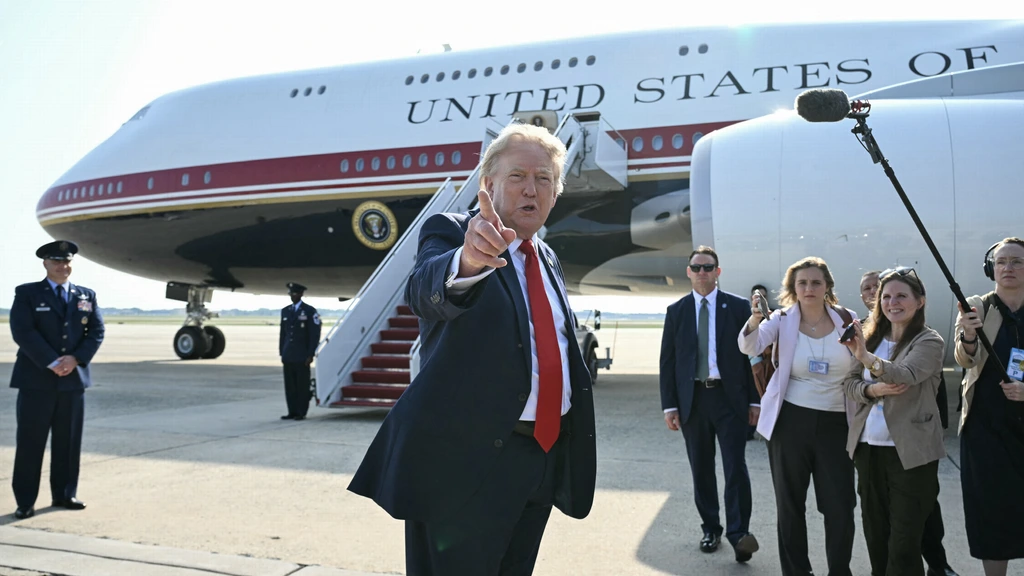
The U.S. Department of Justice has withdrawn its subpoenas against three New York Times journalists. The subpoenas were intended to compel the reporters to reveal their sources regarding an article about security concerns with President Trump's new Air Force One aircraft, which was a gift from Qatar. The decision was announced by a prosecutor during a public court hearing. The presiding judge indicated he would have sided with the newspaper and ordered the subpoenas withdrawn if the Justice Department had not done so voluntarily. He emphasized that subpoenaing journalists to reveal sources should be a last resort, not an initial step in an investigation. The hearing proceeded publicly, despite White House attempts to prevent this. Reports suggest the judge became increasingly critical of the government's investigative actions during the proceedings. This action follows a pattern where both Democratic and Republican administrations have sought to compel journalists to disclose their sources. However, press organizations contend that the Trump administration has been overly aggressive in using subpoenas and search warrants against journalists. It remains uncertain if this concludes the legal action, or if further measures will be pursued by the government. The judge did state that the Justice Department may still subpoena journalists, provided they adhere to established legal protocols.
The U.S. Department of Justice's withdrawal of subpoenas against New York Times journalists highlights a recurring tension between national security investigations and the protection of journalistic sources. While the government asserts a need to investigate potential security vulnerabilities, the judiciary's role in safeguarding press freedom is underscored by the judge's critical stance and the eventual withdrawal. This event prompts reflection on the appropriate balance between investigative powers and the public's right to information, particularly concerning matters of national importance. Future administrations will likely navigate these same legal and ethical considerations, emphasizing the need for clear guidelines on when and how to compel source disclosure, ensuring such actions are truly a last resort within a robust legal framework that respects the foundational role of a free press in a democratic society.
AI-generated to prompt reflection — not editorial opinion, not advice, not a statement of fact. How this works.