US Economy Slows to 1.5% Growth Amid Persistent Inflation Concerns
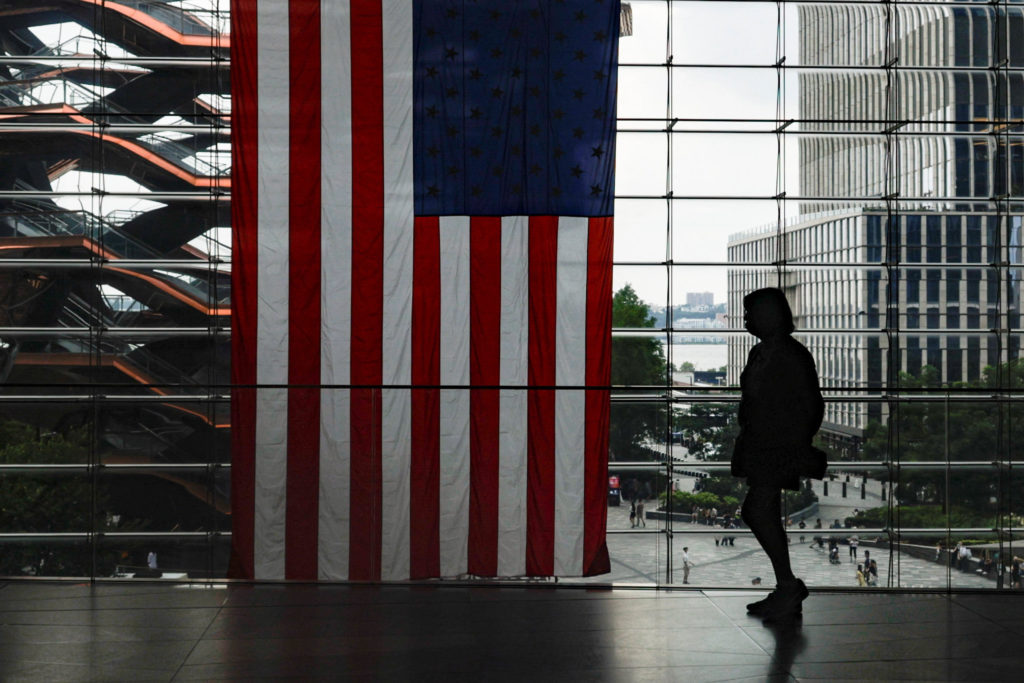
The U.S. economy experienced sluggish growth of 1.5% in the second quarter, occurring while inflation remains stubbornly above the Federal Reserve's target of 2%. This persistent inflation is a significant concern for Americans, particularly as they grapple with the high cost of living. The economic situation is unfolding less than 100 days before the midterm elections, a critical period where public sentiment on economic issues can heavily influence electoral outcomes. The frustration over living costs adds another layer of complexity to the political landscape as voters consider their choices.
The confluence of slowing economic growth and elevated inflation presents a complex challenge for policymakers. This scenario, often termed 'stagflation,' can strain consumer purchasing power and create difficult trade-offs for monetary policy. The Federal Reserve faces the delicate task of taming inflation without precipitating a significant economic downturn. The proximity of the midterm elections introduces a political dimension, as economic performance is frequently a key determinant of voter sentiment and electoral results. Understanding the interplay between economic fundamentals, public perception, and electoral cycles is crucial for navigating this period.
AI-generated to prompt reflection — not editorial opinion, not advice, not a statement of fact. How this works.