US Education Department Rolls Back Anti-Discrimination Rules
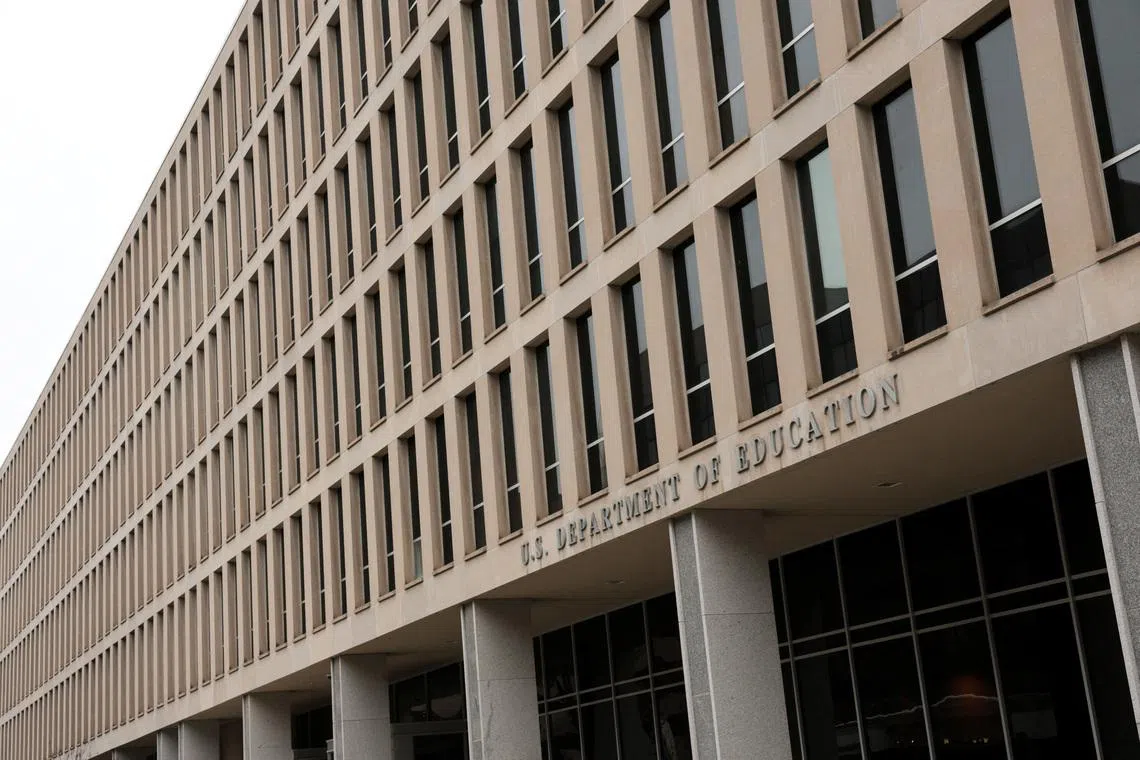
The U.S. Department of Education has eliminated significant regulations designed to protect individuals from discrimination. This action is part of a broader effort by the Trump administration to dismantle diversity initiatives across various sectors. The removed rules were intended to safeguard against unfair treatment based on protected characteristics. Critics argue that this rollback will weaken protections for vulnerable groups. The administration maintains that these changes are necessary to streamline regulations and promote fairness. However, the implications for educational institutions and their students remain a significant concern. The move signals a shift in federal policy regarding equal opportunity and anti-discrimination efforts. Further details on the specific rules rescinded and their immediate impact are expected.
The U.S. Department of Education's decision to remove key anti-discrimination rules represents a significant policy shift. This action, framed as a move against diversity initiatives, could alter the landscape of equal opportunity in educational settings. The administration's stated goal of streamlining regulations may be weighed against the potential for weakened protections for marginalized groups. Understanding the long-term impact on access, equity, and inclusion will require careful observation of how institutions adapt and how legal challenges, if any, unfold. This development prompts consideration of the evolving balance between federal oversight and institutional autonomy in addressing discrimination.
AI-generated to prompt reflection — not editorial opinion, not advice, not a statement of fact. How this works.