US Election Rules: States vs. Federal Authority Amidst Trump's Legal Challenges
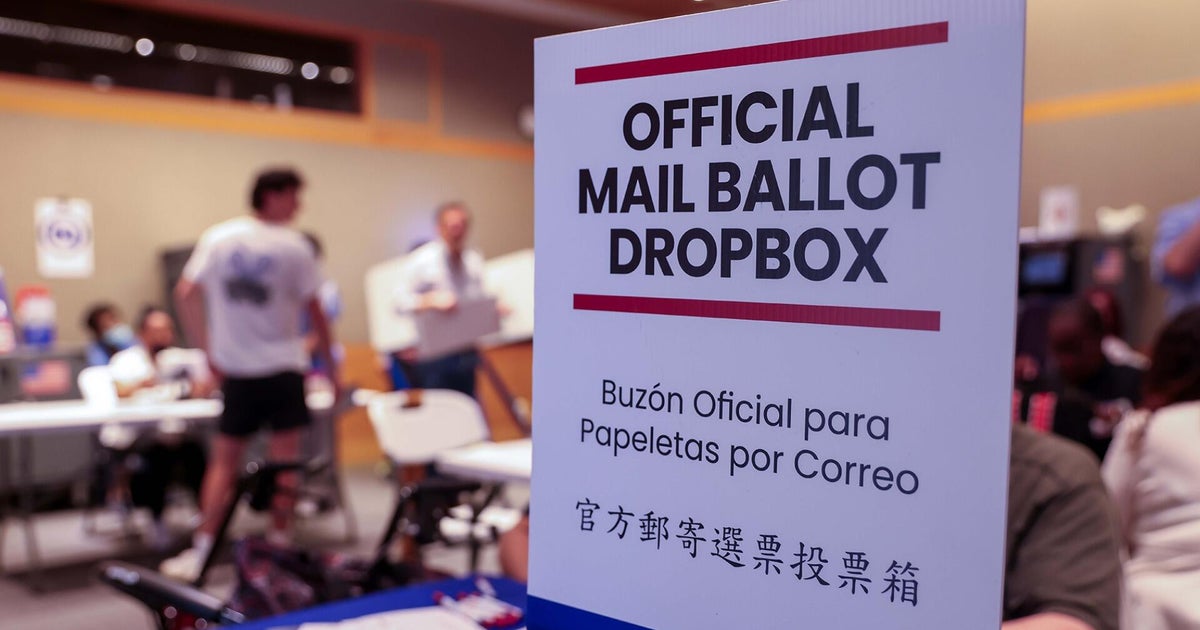
President Donald Trump is engaged in a significant legal dispute with 23 states and the District of Columbia concerning election rules and the use of mail-in ballots. This conflict raises fundamental questions about the division of power in regulating elections within the United States. CBS News legal contributor Jessica Levinson is providing analysis on the complexities of this situation. The core of the debate revolves around which governmental entity, state legislatures or the federal government, holds the ultimate authority to set election procedures. This legal battle highlights the ongoing tension between federal oversight and state autonomy in the administration of democratic processes. The outcome of these challenges could have far-reaching implications for future elections and the balance of power in electoral governance. The specific rules and mail-in ballot procedures being contested are central to the ongoing legal arguments. The involvement of numerous states underscores the widespread impact of these disputes. Legal experts are examining the constitutional and statutory grounds for each side's claims. The situation is dynamic, with ongoing legal proceedings shaping the landscape of election law.
The legal challenges surrounding election rules and mail-in ballots underscore a recurring tension in American governance: the balance between federal authority and state sovereignty. This dispute highlights how differing interpretations of constitutional powers can lead to significant legal battles, particularly during election cycles. The analysis will likely focus on the historical precedents, statutory frameworks, and judicial interpretations that define the scope of federal and state control over elections. Understanding the incentive structures for both federal and state actors involved is crucial; states may prioritize local control and specific voter needs, while federal intervention often aims for uniformity and safeguarding fundamental voting rights. Examining this through a future-oriented lens, the increasing reliance on digital infrastructure for voting and election management could amplify these jurisdictional disputes, necessitating clearer legal guidelines to ensure both security and accessibility in the digital age.
AI-generated to prompt reflection — not editorial opinion, not advice, not a statement of fact. How this works.