US Election: Will Voters Prioritize Economic Woes or Trump's 'Red-Baiting'?
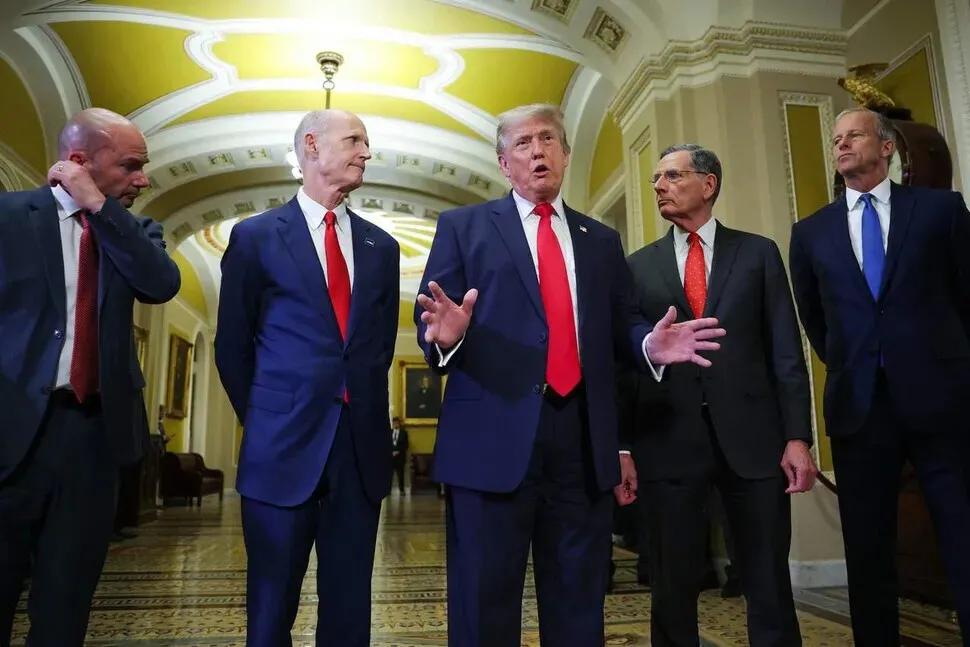
As the US presidential election approaches this November, a key question emerges regarding which factor will most significantly influence voter decisions. The two primary contenders for voter attention are the ongoing cost-of-living crisis, which impacts households nationwide, and the campaign tactics employed by Donald Trump, often characterized as 'red-baiting.' This latter strategy involves invoking fears related to communism or socialism, a tactic that has historically resonated with certain segments of the electorate. The effectiveness of these contrasting forces – tangible economic hardship versus ideological appeals – will likely determine the electoral outcome. Voters will be weighing their personal financial situations against broader political narratives and anxieties. The campaign's success will hinge on which message captures the public's imagination and translates into votes. Ultimately, the November election will serve as a referendum on these competing influences.
The upcoming US election presents a dynamic interplay between material economic conditions and ideological framing. The cost-of-living crisis represents a direct challenge to household financial stability, a core concern for many voters. Conversely, 'red-baiting' leverages historical anxieties and political polarization, aiming to shape perceptions through fear and identity politics. The effectiveness of these strategies will depend on voters' ability to discern between immediate personal economic impacts and broader, often abstract, political narratives. This election cycle may highlight shifts in voter priorities, potentially indicating whether economic pragmatism or ideological alignment holds greater sway in the current socio-political landscape. The long-term implications could involve how effectively political actors can mobilize voters through either economic relief promises or cultural and ideological appeals in an increasingly complex information environment.
AI-generated to prompt reflection — not editorial opinion, not advice, not a statement of fact. How this works.