US Embassy Launches Program for Brazilian Firms Amid Trade Tariff Dispute
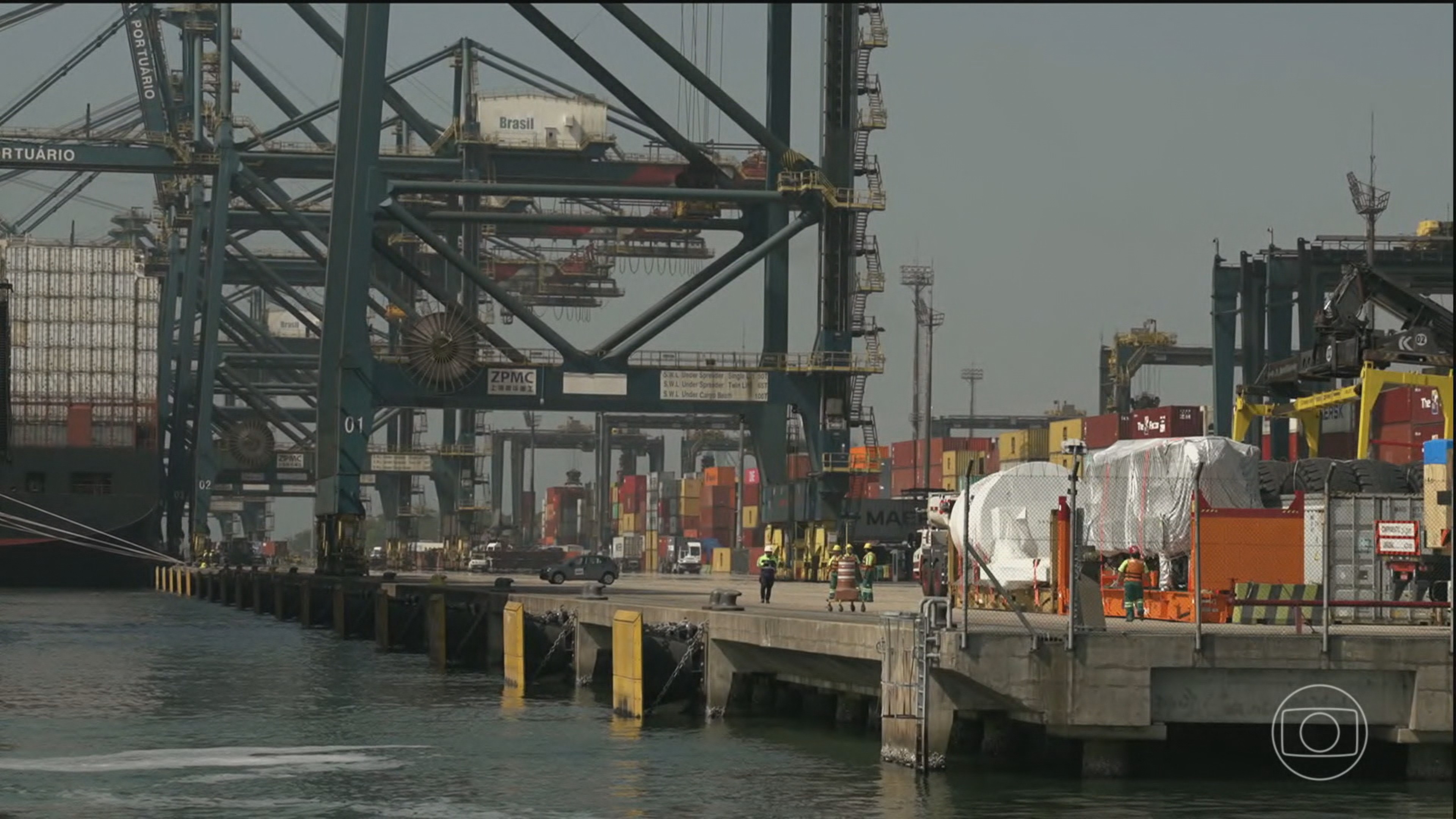
The U.S. Embassy in Brazil has announced a new program, SelectUSA Every Day, aimed at helping Brazilian companies expand their presence in the American market. This initiative comes as Brazil and the United States are in tense negotiations over proposed U.S. tariffs on Brazilian goods, with a deadline of July 15th approaching. The U.S. Trade Representative's Office (USTR) proposed a 25% tariff in June, citing concerns over Brazilian practices related to PIX, illegal deforestation, piracy, and anti-corruption enforcement. Brazil has contested these accusations, calling the investigation "arbitrary" and arguing that the proposed tariffs violate World Trade Organization rules. Despite ongoing technical and high-level meetings, Brazilian officials believe a complete reversal of the tariffs is unlikely, though some exceptions or reductions may be possible. The U.S. highlights Brazil's significant role as a source of South American investment and its contribution to the bilateral economic relationship, with Brazilian companies operating in over 40 U.S. states. The United States is Brazil's second-largest trading partner, and the trade balance is currently in the U.S.'s favor. This program aims to strengthen commercial ties, even as trade disputes persist.
The U.S. initiative to promote market access for Brazilian companies, launched concurrently with proposed tariffs, presents a complex strategic dynamic. This approach could be interpreted as an attempt to leverage existing economic ties to influence trade negotiations, potentially creating a bifurcated strategy of pressure and partnership. From a systemic perspective, such actions highlight the intricate interplay between geopolitical leverage and economic diplomacy in international trade relations. The program's success may depend on whether it can genuinely foster growth for Brazilian firms or if it will be perceived primarily as a tool within the larger tariff dispute, potentially leading to skepticism and impacting the broader bilateral economic relationship over the next decade as trade blocs continue to evolve.
AI-generated to prompt reflection — not editorial opinion, not advice, not a statement of fact. How this works.