US Ends Automatic Protections for Endangered Species, Raising Extinction Concerns
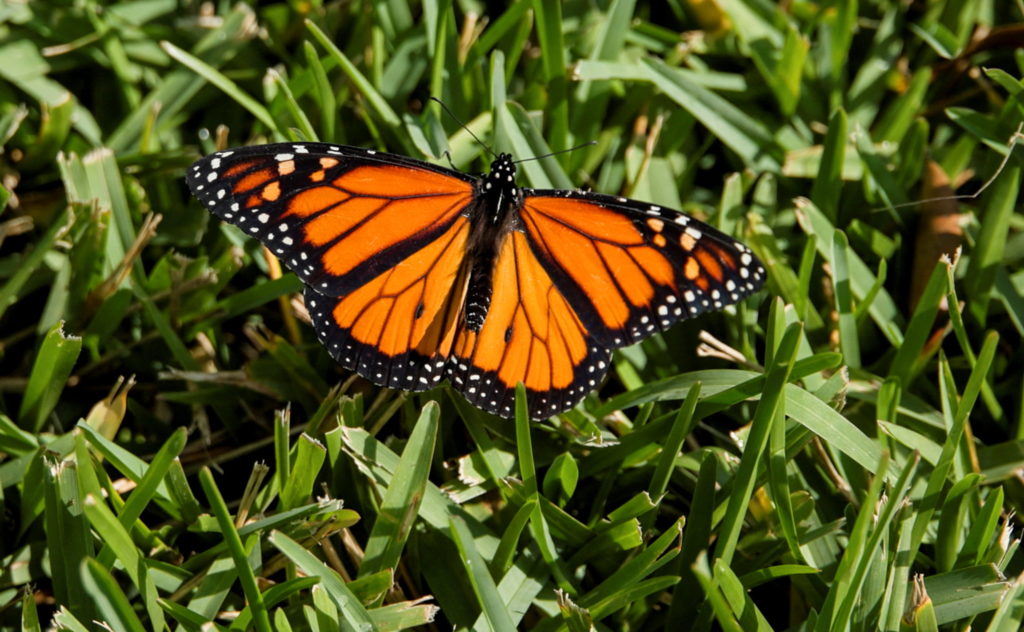
The United States has eliminated automatic protections for imperiled animal species. Previously, species automatically received protections upon being listed as threatened. Under the new policy, each species will require an individualized protection plan to be developed and implemented after it is added to the threatened species list. This change shifts the approach from a blanket application of safeguards to a case-by-case evaluation for each species. Critics of the new policy have voiced strong concerns that this alteration will lead to increased extinctions. They argue that the delay and administrative burden associated with creating individual plans could leave vulnerable populations unprotected for critical periods. This could significantly hinder conservation efforts and allow species to decline further before any meaningful action is taken. The move represents a significant departure from previous conservation strategies aimed at broad, immediate protection for at-risk wildlife.
This policy shift from automatic to individualized protection plans for imperiled species may introduce significant delays in conservation efforts. While proponents might argue for tailored, efficient resource allocation, the potential for administrative bottlenecks could critically undermine the timely intervention necessary to prevent species decline. The long-term viability of this approach hinges on the efficiency and effectiveness of the individualized planning process, particularly in the face of accelerating environmental pressures. Future conservation strategies may need to balance administrative precision with the urgent need for immediate, broad-spectrum protection to avert irreversible biodiversity loss.
AI-generated to prompt reflection — not editorial opinion, not advice, not a statement of fact. How this works.