US Escalates Actions Against ICC, Demands Allies Choose Sides
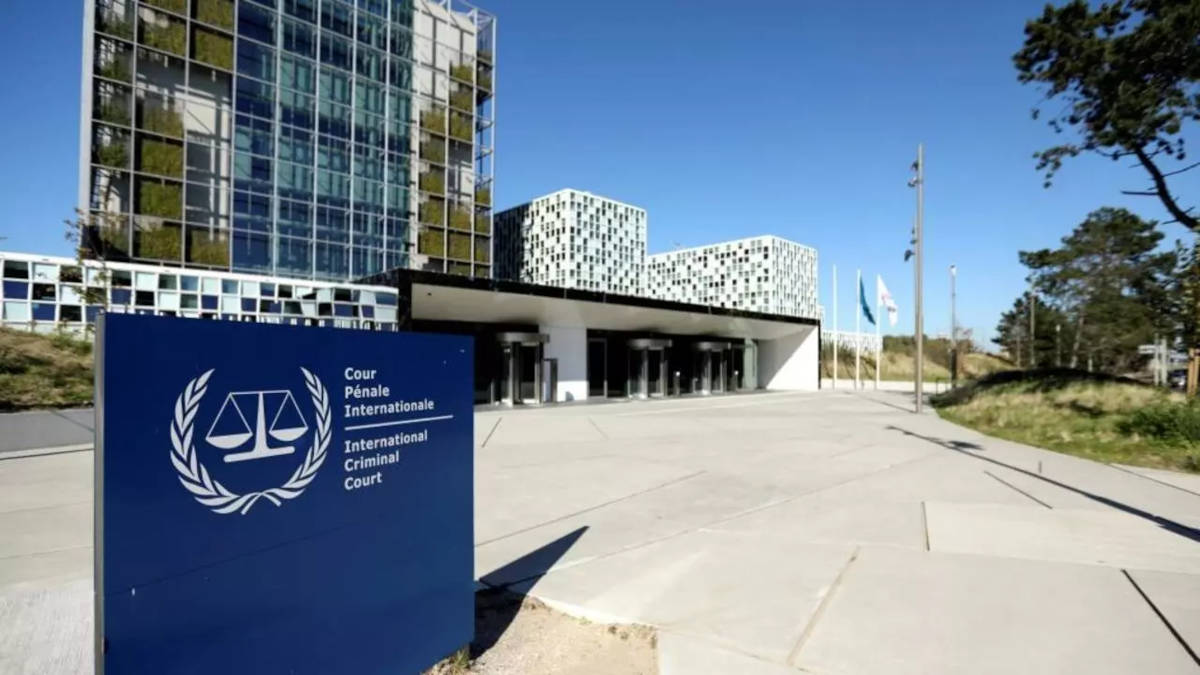
On Monday, July 13, 2026, the United States announced a fresh wave of measures targeting the International Criminal Court (ICC). Secretary of State Marco Rubio revealed these actions in a video posted on his X account. Concurrently, an opinion piece detailing these developments was published in The Wall Street Journal. The US has previously expressed strong opposition to the ICC's investigations, particularly concerning alleged actions by American personnel in Afghanistan. This latest move signals a significant escalation in diplomatic and potentially punitive actions against the international tribunal, putting pressure on allied nations to align with the US stance. The specific nature of the new actions, beyond the announcement and op-ed, remains to be fully detailed but implies a coordinated diplomatic and possibly economic strategy. The US has consistently argued that the ICC lacks jurisdiction over its citizens and personnel, viewing its investigations as an infringement on national sovereignty. This confrontation highlights a growing rift between the US and international legal institutions, with potential implications for global cooperation on justice and accountability.
The United States' intensified actions against the International Criminal Court, coupled with demands for allies to align, represent a strategic maneuver to assert national sovereignty and limit the perceived overreach of international judicial bodies. This approach reflects a broader trend of great power skepticism towards multilateral institutions when they are perceived to impinge on domestic interests or personnel. The US is leveraging its significant diplomatic and economic influence to shape the international legal landscape, potentially creating a bifurcated system of justice where adherence is contingent on geopolitical alignment. This strategy, while reinforcing US control, may inadvertently weaken the universal application of international law and create challenges for future global cooperation on accountability for egregious crimes. The long-term impact will depend on the willingness of allied nations to navigate the competing pressures between US demands and their own commitments to international legal norms.
AI-generated to prompt reflection — not editorial opinion, not advice, not a statement of fact. How this works.