US Escalates Attacks on Iran; Iran Strikes Gulf States
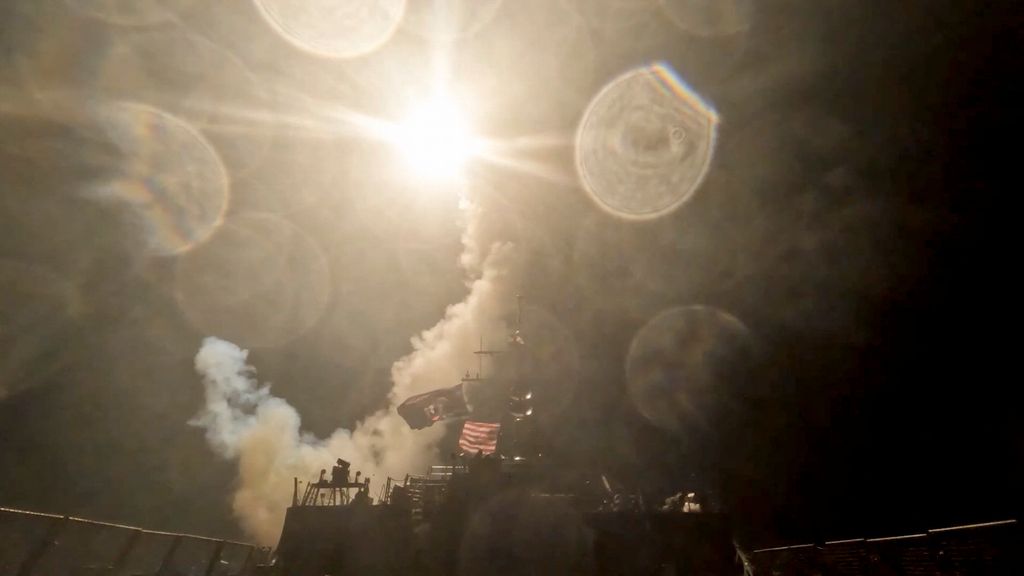
The United States has intensified its military actions against Iran, launching airstrikes on Friday that targeted bridges in southern Iran, specifically in the Hormozgan province. These strikes are part of a prolonged conflict centered around the Strait of Hormuz, a critical chokepoint for global oil transport. Iranian state media reported that at least seven people died in the U.S. attacks on bridges. The U.S. military stated it had hit dozens of targets during this latest wave of assaults, marking the sixth consecutive night of American operations. In response to the U.S. actions, Iran conducted missile attacks on American allies in the Middle East, including Qatar. Qatar, which has played a mediating role in the conflict, issued multiple warnings for residents to seek shelter as Iranian missiles were fired towards the country. The Qatari Ministry of Interior reported that a child was injured by falling debris after the nation's air defenses intercepted the incoming rockets. Prior to these strikes, Iran had also targeted Bahrain and Kuwait. A previously agreed-upon temporary ceasefire has failed, and both the U.S. and Iran have been engaged in retaliatory attacks for several days.
The escalating conflict between the United States and Iran, particularly around the Strait of Hormuz, highlights the persistent volatility in a region vital to global energy security. The reciprocal military actions, including U.S. airstrikes and Iranian missile attacks on allied nations, indicate a breakdown in de-escalation efforts and a potential for wider regional instability. This dynamic underscores the complex interplay of geopolitical interests, national security imperatives, and the strategic importance of maritime trade routes. Future developments will likely depend on the effectiveness of diplomatic channels, the willingness of regional powers to engage in de-escalation, and the broader implications of the ongoing confrontation for global energy markets and international relations in the coming decade.
AI-generated to prompt reflection — not editorial opinion, not advice, not a statement of fact. How this works.