US Explores Offshore Rocket Launches Amid Environmental Concerns
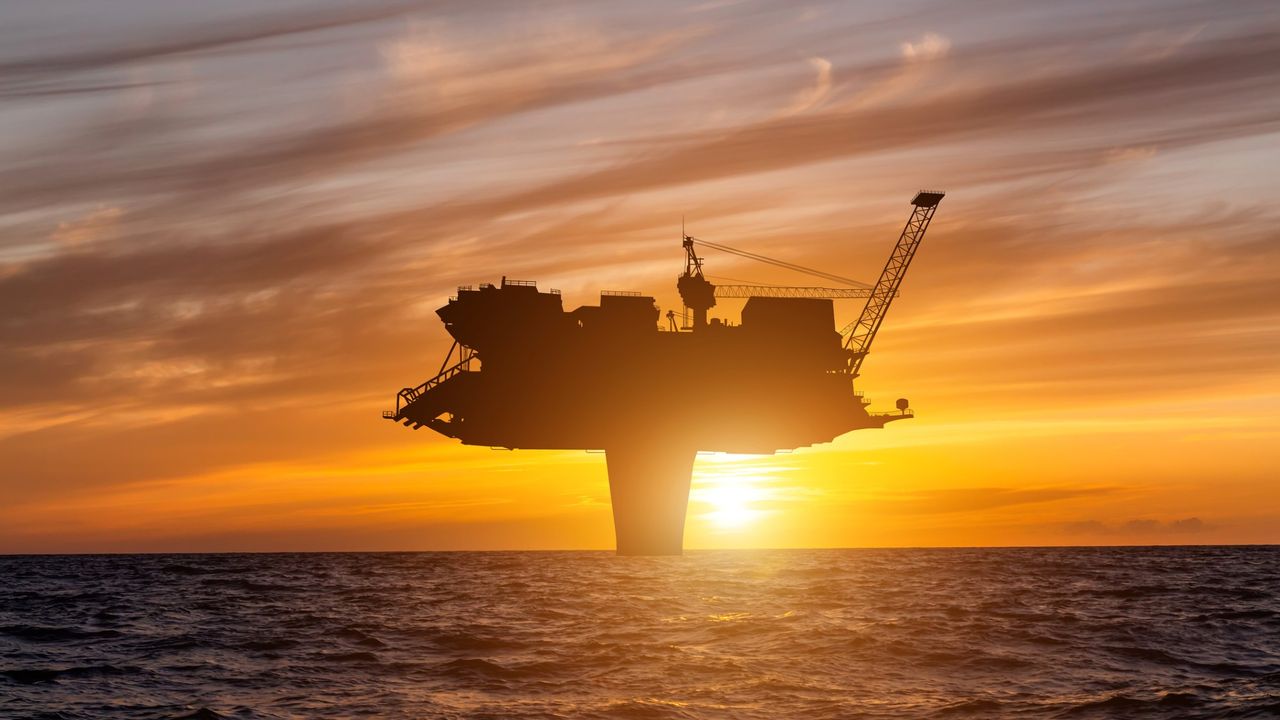
The United States government is considering the development of offshore, sea-based launch sites for commercial rocket operations. This initiative aims to expand launch capabilities and potentially reduce terrestrial impacts. However, the proposal has drawn criticism from various advocacy groups. These organizations express significant concerns that the ocean could become a dumping ground for rocket debris and associated waste. They argue that coastal environments and marine ecosystems deserve protection from potential pollution and hazards. The debate highlights a growing tension between the advancement of space technology and the preservation of natural environments.
The US government's exploration of offshore rocket launch sites represents a strategic pivot in space infrastructure development, balancing the need for increased launch capacity with environmental stewardship. This approach may mitigate some land-use conflicts and noise pollution associated with traditional launchpads. However, the environmental advocacy groups' concerns about marine pollution and debris warrant careful consideration of regulatory frameworks and technological safeguards. Future iterations of this policy will likely need to integrate robust environmental impact assessments and transparent public consultation processes to address potential ecological risks and ensure sustainable development of the space sector.
AI-generated to prompt reflection — not editorial opinion, not advice, not a statement of fact. How this works.