US Eyes New Tariffs on 60 Nations Over Forced Labor Concerns
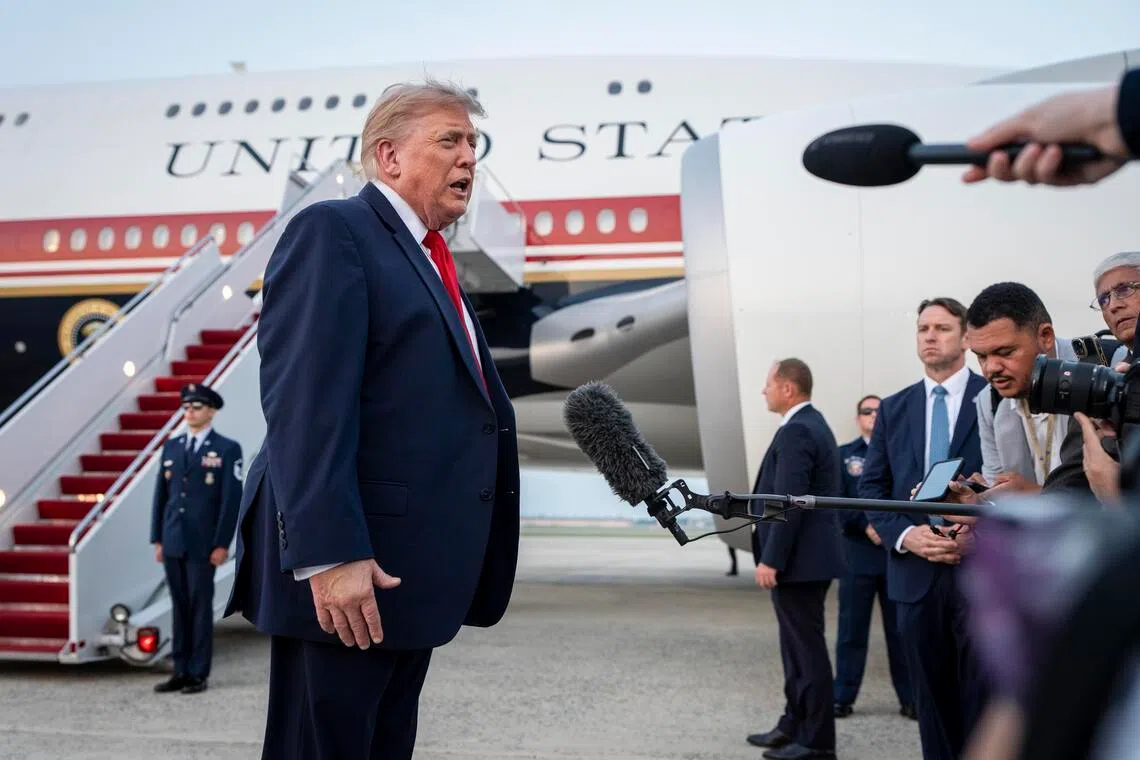
The United States is reportedly preparing to implement new tariffs against approximately 60 of its trading partners. This action stems from allegations that these nations have not sufficiently addressed or acted against the practice of forced labor within their borders. The move comes as a previous tariff, a 10% global levy initiated by former President Donald Trump, is set to expire. The specifics of the new tariffs, including the exact nature of the penalties and the timeline for their implementation, are still being finalized. However, the underlying objective is to pressure these countries into taking more robust measures to combat forced labor, aligning with international human rights standards and U.S. trade policies.
The U.S. government's potential imposition of tariffs on 60 trading partners over forced labor concerns highlights a growing trend of using trade policy as a tool for enforcing international norms. This strategy leverages economic pressure to compel behavioral change, reflecting a shift towards a more assertive approach in addressing supply chain ethics. The effectiveness of such measures will depend on the specific design of the tariffs, the cooperation of international bodies, and the economic resilience of the targeted nations. As global supply chains become increasingly complex and interconnected, the challenge lies in balancing trade interests with the imperative to eradicate forced labor, a systemic issue with deep roots in economic disparities and governance structures.
AI-generated to prompt reflection — not editorial opinion, not advice, not a statement of fact. How this works.