US F-35 fighter jet sales to Turkey spark diplomatic dispute involving Israel
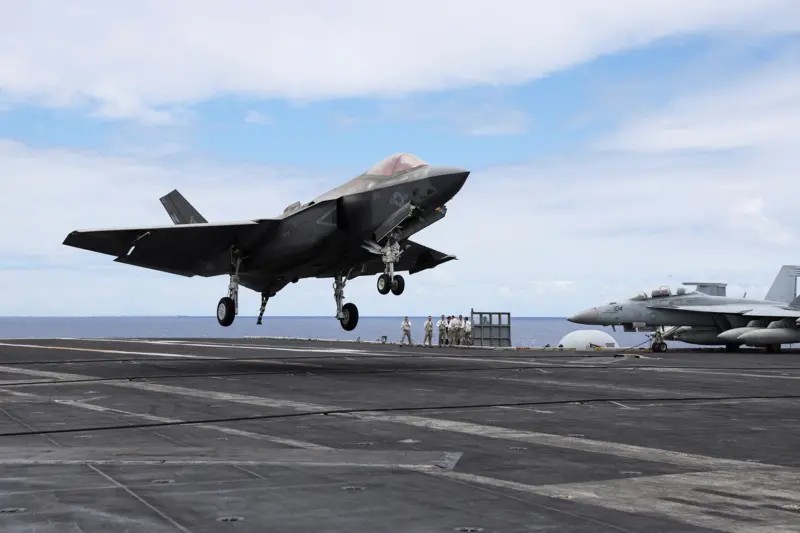
A potential return of the United States selling F-35 fighter jets to Turkey has reignited a diplomatic dispute, drawing in Israel and the US. The issue surfaced during a NATO summit in Ankara, Turkey, on Tuesday, April 7th. US President Donald Trump indicated a willingness to lift sanctions on Turkey, imposed after its purchase of the Russian S-400 missile system, and to resume F-35 sales. Turkish President Recep Tayyip Erdogan welcomed this prospect, citing a prior promise from Trump regarding five aircraft. However, Israel has expressed strong reservations, fearing that such a sale would disrupt the military balance in the Middle East. Turkey was previously a partner in the international F-35 program, involved in both manufacturing and purchasing the advanced aircraft. The US expelled Turkey from the program and imposed sanctions in 2020, citing concerns that the S-400's integration with the F-35 could compromise the jet's sensitive technology for Russia. Turkey maintains this decision was unfair and seeks either the delivery of aircraft it paid for, reintegration into the program, or a refund. The potential resumption of sales is also opposed by Israeli Prime Minister Benjamin Netanyahu, who has urged the US not to authorize sales of F-35s or related engines to Turkey, citing regional military equilibrium and recent Turkish rhetoric against Israel. The F-35 is described as one of the world's most advanced combat aircraft, capable of speeds around 2,000 km/h.
The F-35 sale dispute highlights the complex geopolitical interplay between defense technology, national security interests, and alliance dynamics. Turkey's pivot towards Russian air defense systems, despite US objections, underscores a strategic autonomy seeking to balance its security needs and foreign policy objectives. The US faces a dilemma: maintaining technological security for its premier fighter jet versus leveraging arms sales for diplomatic influence and alliance cohesion. Israel's concerns about regional military balance are a critical factor, reflecting the volatile security environment in the Middle East. Future F-35 program decisions will likely involve intricate negotiations balancing these competing interests, potentially influencing NATO's internal cohesion and broader arms control frameworks in the coming decade.
AI-generated to prompt reflection — not editorial opinion, not advice, not a statement of fact. How this works.