US F1 Visa Changes May Deter Asian Students
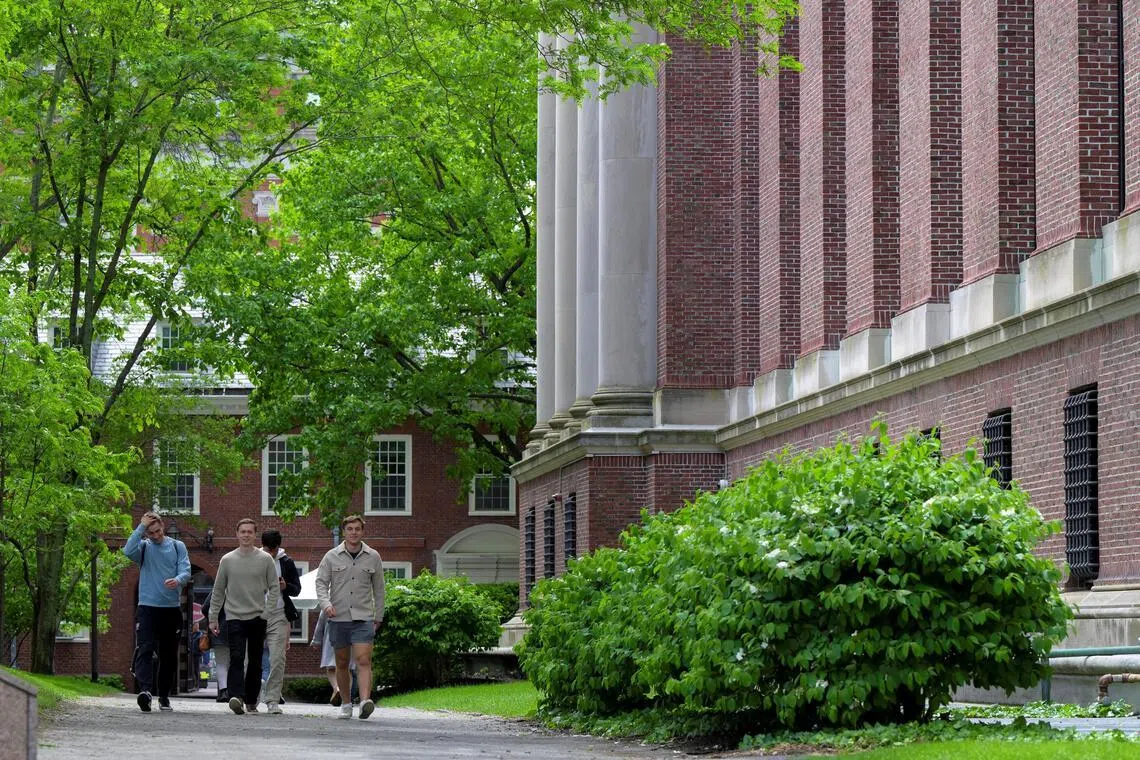
Recent changes to the F1 visa rules in the United States are making the country a less appealing destination for international students, particularly those from Asia. The tightening of these visa regulations could prompt many prospective students to seek educational opportunities in other countries. This shift in policy may impact the diversity of student populations on US campuses and affect the flow of talent into the country. The F1 visa is crucial for foreign students pursuing academic studies in the US, and any modifications to its terms can have significant consequences. Asian students represent a substantial portion of the international student body in the US, and their decisions on where to study are influenced by visa policies. The potential for a decline in applications from this demographic could have broader implications for US higher education institutions and their global competitiveness. This development highlights the delicate balance between national security interests and the economic and academic benefits of attracting international students.
Changes to the F1 visa program, particularly regarding time limitations, could inadvertently reduce the United States' competitiveness in attracting global talent. While intended to manage immigration flows, such policy shifts may create incentive structures that favor alternative study destinations, potentially impacting the long-term pipeline of skilled individuals and researchers. This situation underscores the need for a strategic approach to visa policies that balances national interests with the imperative to foster an inclusive and globally connected academic environment. Over the next decade, as AI and technological advancements accelerate, the competition for top-tier international talent will intensify, making adaptable and welcoming immigration policies increasingly critical for economic and innovation leadership.
AI-generated to prompt reflection — not editorial opinion, not advice, not a statement of fact. How this works.