US Faces Challenges in Securing Strait of Hormuz Amidst Mine Threats
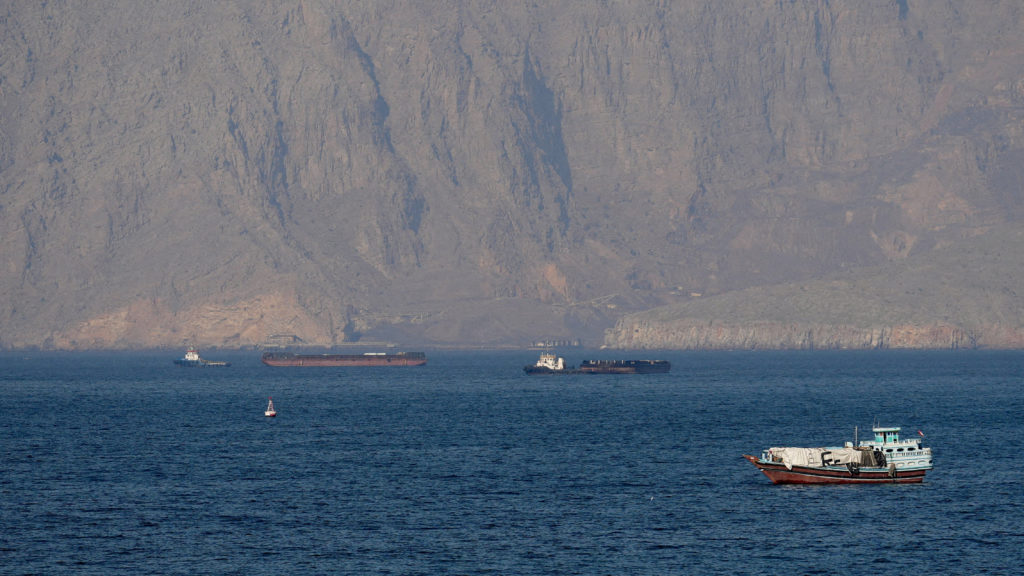
Commercial vessels are actively avoiding traditional shipping lanes that pass through the Strait of Hormuz due to significant concerns over Iranian naval mines. This avoidance poses a substantial obstacle for the United States in its efforts to fully reopen the vital waterway. The presence of these mines creates a dangerous environment, deterring normal maritime traffic and impacting global trade routes. The U.S. faces the complex task of neutralizing these threats to ensure safe passage. The situation highlights the ongoing geopolitical tensions in the region and their direct impact on international commerce. Reestablishing secure passage requires addressing the mine threat effectively. The economic implications of disrupted shipping through the Strait of Hormuz are considerable. The U.S. must balance security concerns with the need for unimpeded global trade.
The difficulty in reopening the Strait of Hormuz stems from the asymmetric threat posed by naval mines, which are relatively inexpensive to deploy but highly disruptive to sophisticated naval operations and global commerce. This situation underscores a persistent challenge in international security: how to maintain freedom of navigation when non-state actors or states employ low-cost, high-impact tactics. The economic reliance on this chokepoint means that even perceived threats can significantly alter shipping behavior, creating ripple effects through supply chains. Future strategies will likely need to incorporate advanced mine countermeasures and robust intelligence gathering to preempt such disruptions, balancing the costs of security against the economic imperative of open trade routes in an increasingly complex geopolitical landscape.
AI-generated to prompt reflection — not editorial opinion, not advice, not a statement of fact. How this works.