US Faces China's Challenge to Its Influence in the Western Hemisphere
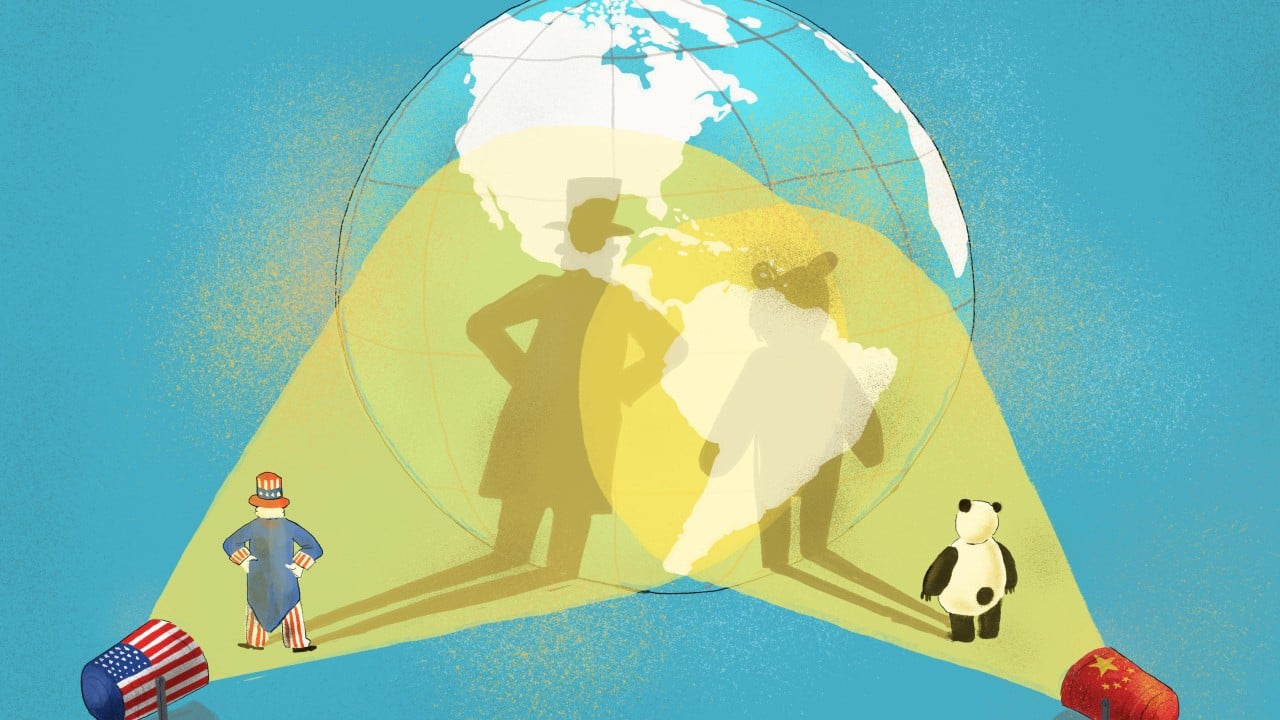
As the United States approaches its 250th anniversary, its global standing is being tested by its complex relationship with China. This series explores various facets of the US-China dynamic, encompassing both technological competition and cultural influence. Specifically, Teresa Elena Frontado and Igor Patrick are examining how China is challenging the traditional US sphere of influence in the Western Hemisphere. This concern was highlighted during the 2024 presidential campaign when candidates discussed potential shifts in allegiances among key Latin American nations like Brazil and Mexico. The article suggests that the evolving global landscape places significant pressure on established US power, particularly in its own hemisphere. The series aims to dissect these pressure points and explore potential future scenarios arising from these critical ties.
The approaching 250th anniversary of the United States provides a symbolic backdrop for assessing its current geopolitical standing. The increasing assertiveness of China in regions historically considered within the US sphere of influence, particularly the Western Hemisphere, represents a significant strategic challenge. This dynamic is not merely about economic competition but also about the contest for diplomatic alignment and the projection of different governance models. For the US, maintaining influence requires a multifaceted approach that addresses both hard power considerations and the appeal of its soft power and values in the face of alternative narratives. The coming decade will likely see a continued recalibration of global power structures, where the ability of established powers to adapt to evolving international norms and the rise of new actors will be crucial for sustained relevance and security.
AI-generated to prompt reflection — not editorial opinion, not advice, not a statement of fact. How this works.