US Faces Critical Juncture in Iran Standoff: New Truce or Full-Scale War
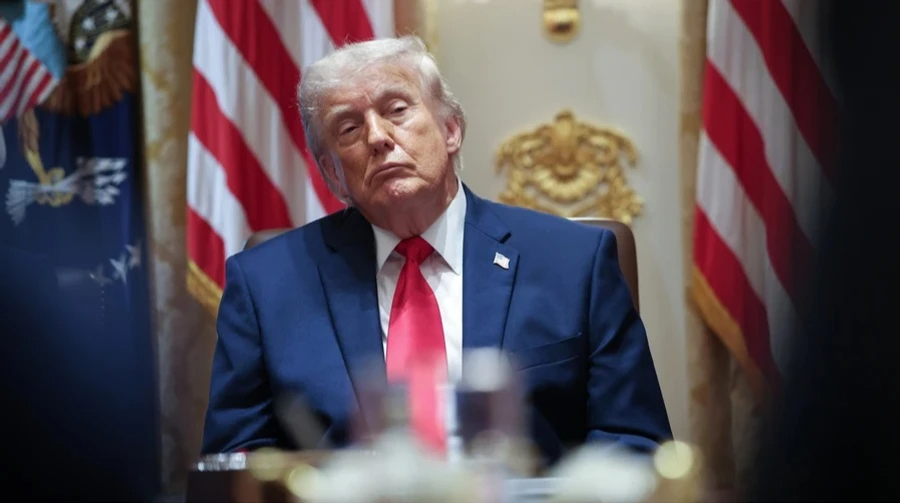
The United States stands at a critical crossroads regarding its conflict with Iran, with officials outlining two primary potential outcomes. One path involves securing a new 10-day truce with Iran. The alternative is to launch a large-scale joint military operation with Israel, aimed at compelling Tehran to surrender. President Donald Trump appears to be approaching this decisive moment, facing significant strategic choices. The situation implies a high-stakes scenario where diplomatic efforts for a temporary de-escalation are being weighed against more aggressive military options. The proposed truce offers a brief respite, while the military operation represents a significant escalation with the objective of forcing Iran's capitulation. The administration is reportedly evaluating these diverging paths as the confrontation intensifies.
The geopolitical situation between the US and Iran presents a complex dilemma characterized by escalating tensions and limited diplomatic pathways. The proposed 10-day truce suggests a potential for short-term de-escalation, which could offer a window for more substantive negotiations. However, the alternative of a joint military operation with Israel signifies a dramatic shift towards a high-risk, high-consequence strategy. This approach, while potentially aimed at achieving a decisive outcome, carries substantial risks of regional destabilization and prolonged conflict. The decision hinges on a strategic calculus weighing the immediate costs and benefits of each option, within the broader context of international relations and the long-term stability of the Middle East. Future developments will likely depend on the perceived effectiveness of deterrence, the willingness of parties to engage in genuine dialogue, and the evolving global power dynamics.
AI-generated to prompt reflection — not editorial opinion, not advice, not a statement of fact. How this works.