US Faces Dual Emergency: Extreme Heat and Canadian Wildfire Smoke
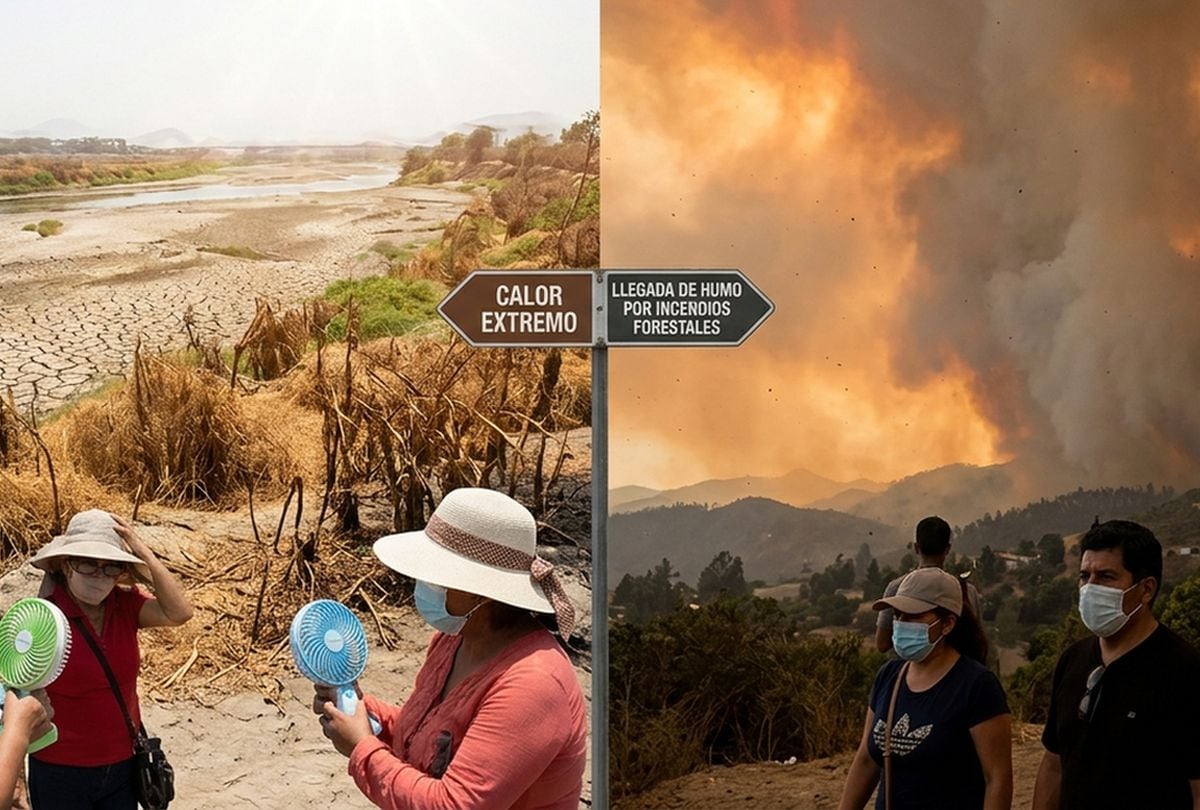
The United States is currently experiencing a dual emergency, with a "heat dome" blanketing much of the country and smoke from over 800 active wildfires in Canada crossing the border. This combination has raised concerns among authorities, particularly in major cities like New York and Chicago. The smoke is mixing with the extreme heat, creating hazardous air quality conditions. Officials are advising residents on how to prepare for and mitigate the effects of this double threat. The duration of this dual emergency is a key concern, as both the heatwave and the wildfire situation in Canada continue to evolve. The extent of the wildfire activity in Canada, with over 800 fires currently burning, is a significant factor contributing to the widespread smoke. The "heat dome" phenomenon traps hot air, exacerbating the impact of the smoke and leading to potentially dangerous temperatures across various regions. Authorities are closely monitoring the situation and providing guidance to the public on safety measures.
The confluence of extreme heat and transboundary air pollution from wildfires presents a complex challenge for public health and infrastructure management in the United States. This situation highlights the interconnectedness of environmental issues across borders and the growing impact of climate change on weather patterns and natural disasters. The "heat dome" phenomenon, exacerbated by global warming, creates conditions ripe for both intense heat and increased wildfire risk. The resulting smoke pollution strains healthcare systems and impacts economic activity. Future preparedness will likely require enhanced cross-border cooperation on wildfire management, investment in resilient infrastructure, and advanced public warning systems that can effectively communicate risks associated with both heat and air quality.
AI-generated to prompt reflection — not editorial opinion, not advice, not a statement of fact. How this works.