US Faces Multiple Extreme Weather Events Simultaneously
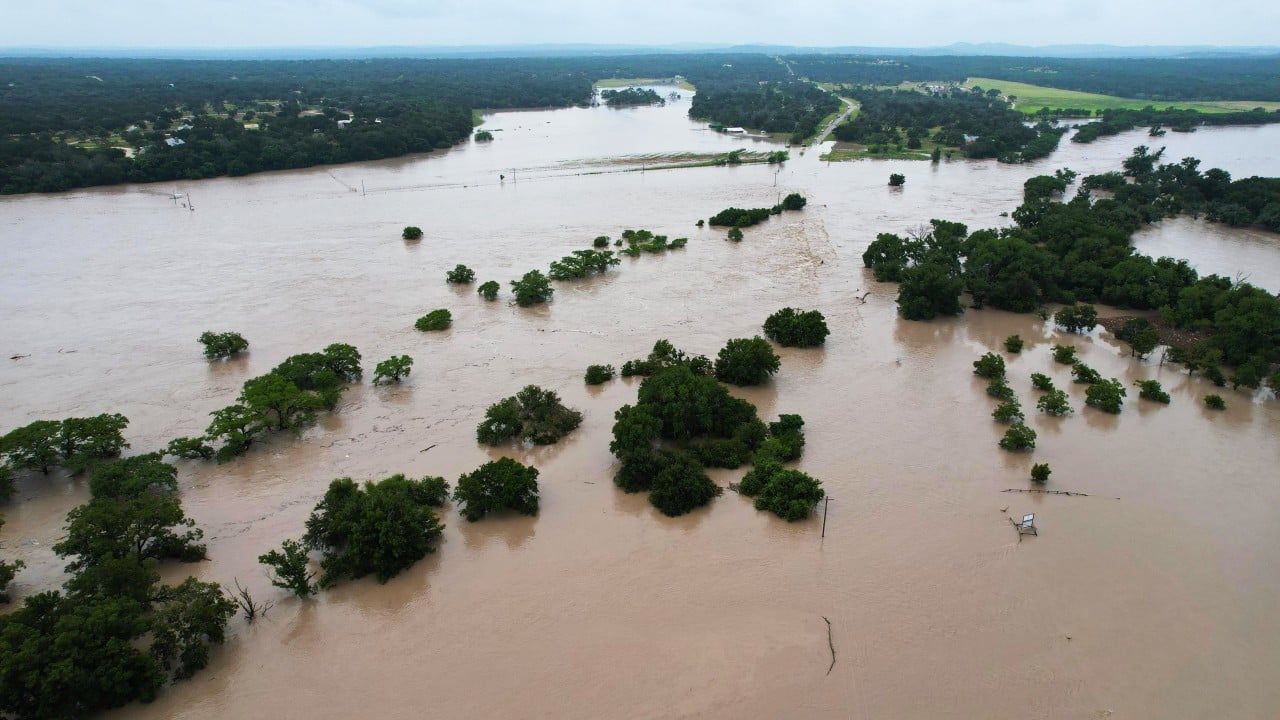
The United States is currently experiencing a convergence of severe weather phenomena, including widespread flooding in Texas, extreme heat impacting the East Coast, and dangerous smoke from Canadian wildfires blanketing the Midwest and Northeast. These simultaneous or rapidly occurring disasters are collectively known as compound events, a trend experts link to the escalating impacts of climate change. The disruptions are significantly affecting daily life and posing considerable risks to public health across various regions. As these compound events become more frequent and intense due to climate change, experts are urging a reassessment of preparedness and response strategies. The situation highlights the growing challenge of managing multiple, simultaneous climate-related emergencies.
The simultaneous occurrence of diverse extreme weather events across the US underscores the increasing complexity of climate-related risks. This situation challenges traditional disaster response frameworks, which may be optimized for single-event management. The phenomenon of compound events suggests a need for more integrated and adaptive strategies that can address cascading impacts and resource allocation across multiple simultaneous crises. Future planning must consider the heightened probability of such occurrences, necessitating investments in resilient infrastructure and flexible emergency management systems capable of operating under conditions of widespread, concurrent strain. This evolving landscape demands a proactive approach to climate adaptation, focusing on systemic resilience rather than reactive measures.
AI-generated to prompt reflection — not editorial opinion, not advice, not a statement of fact. How this works.