US Faces Severe Water Shortages Affecting Millions, Power Outages Widespread
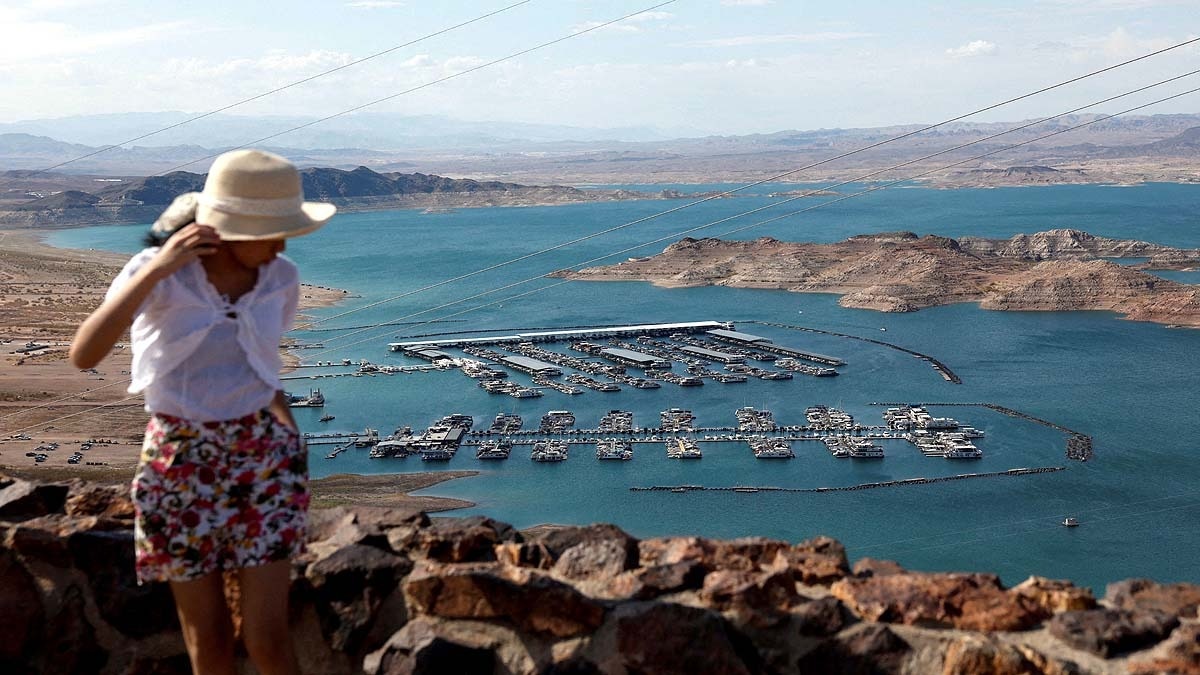
Water levels are critically low in the United States, with scientists expressing significant concern over the condition of the two largest reservoirs. This scarcity poses a threat not only to water supply but also impacts electricity generation, agriculture, and the daily lives of millions of Americans. The dwindling water resources have led to widespread power outages, affecting an estimated 700,000 homes. The situation highlights a growing crisis that extends beyond immediate water needs, touching upon essential services and the broader economy. The implications for food production and energy stability are substantial, underscoring the urgent need for comprehensive water management strategies. The crisis impacts approximately 40 million people who are facing water shortages. This situation is a stark reminder of the vulnerabilities in critical infrastructure and resource management.
The critical depletion of major US reservoirs signifies a systemic challenge in water resource management, exacerbated by climate variability and potentially increasing demand. This situation creates cascading risks, impacting energy production reliability and agricultural output, which could lead to price volatility and supply chain disruptions. The interconnectedness of water, energy, and food systems necessitates a forward-looking approach, integrating long-term sustainability with infrastructure resilience. Future policy must consider adaptive strategies to mitigate the effects of prolonged drought and ensure equitable access to essential resources for the affected population.
AI-generated to prompt reflection — not editorial opinion, not advice, not a statement of fact. How this works.