US Farmers Adapt to Extreme Heat by Shifting Harvests and Protecting Seedlings
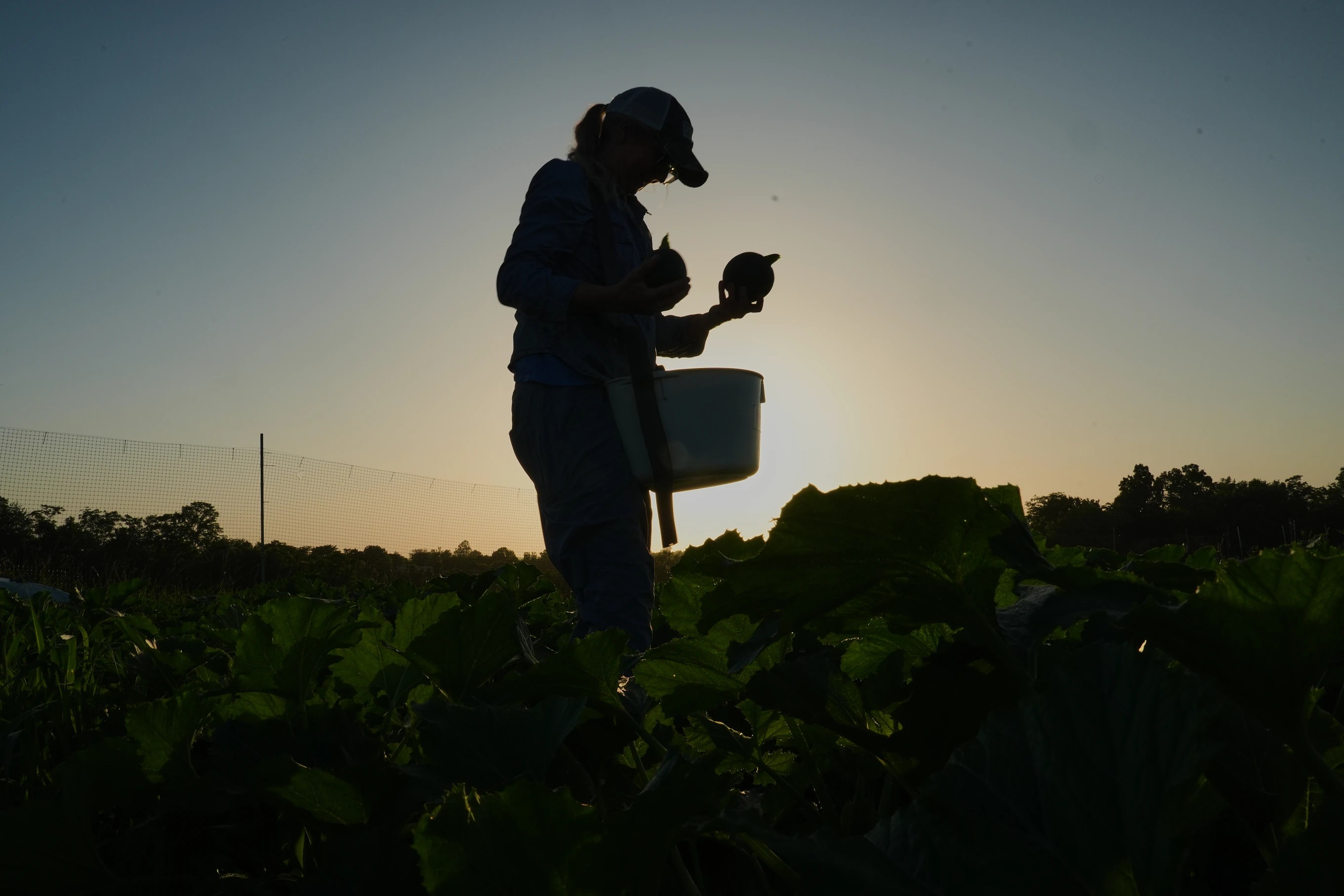
American farmers are altering their traditional practices to cope with increasingly severe and frequent heatwaves, driven by climate change. Annie Woods, a farmer in Brooksville, Kentucky, now harvests delicate crops like zucchini at cooler times of the day, such as sunset or early morning, and uses a tent to create shade when necessary. She also employs specialized methods to protect vulnerable seedlings for autumn crops, storing them in a cool closet within a barn and then moving them to a fan-equipped greenhouse. This adaptation is crucial as extreme heat, combined with humidity, fosters diseases and pests, threatening crop quality and yield. Paul Rasch, an orchard owner in Iowa, has similarly accelerated his raspberry harvest, with his eight-person team working from 6 a.m. to avoid midday heat. He has also invested in air conditioning for farm buildings and expanded shaded areas for visitors. These farmers, who often cultivate a diverse range of products, see this variety as a strategy to mitigate losses when specific crops fail due to extreme weather. However, they face challenges with agricultural insurance, which is often structured for large commodity crops like corn and soy, leaving specialty crop producers more vulnerable. Federal insurance programs, designed for single-crop harvests, can be overly bureaucratic and may not cover diverse small-scale operations adequately. Experts like Duncan Orlander of the National Sustainable Agriculture Coalition note that existing insurance models struggle to keep pace with the escalating losses from extreme weather events. Community-supported agriculture (CSA) models, where consumers provide upfront financial support, offer some flexibility for farmers like Woods, helping to spread risk across various crops and seasons.
The intensifying climate crisis is forcing agricultural systems, particularly smaller and specialty operations, to undergo fundamental operational shifts. These adaptations, while demonstrating resilience, highlight systemic vulnerabilities in crop insurance and federal support structures originally designed for a more predictable climate. The reliance on manual labor and diversified crops by smaller farms, contrasted with the industrial scale of commodity agriculture, presents both a buffer against single-crop failure and a challenge for risk-pooling mechanisms. Future agricultural policy will need to address these disparities, potentially by expanding insurance coverage to encompass diverse, smaller-scale operations and incentivizing climate-resilient farming practices to ensure food security in an era of escalating environmental volatility.
AI-generated to prompt reflection — not editorial opinion, not advice, not a statement of fact. How this works.