US Father Sentenced to 15 Years for Giving Son the Christmas Gift That Became a Murder Weapon
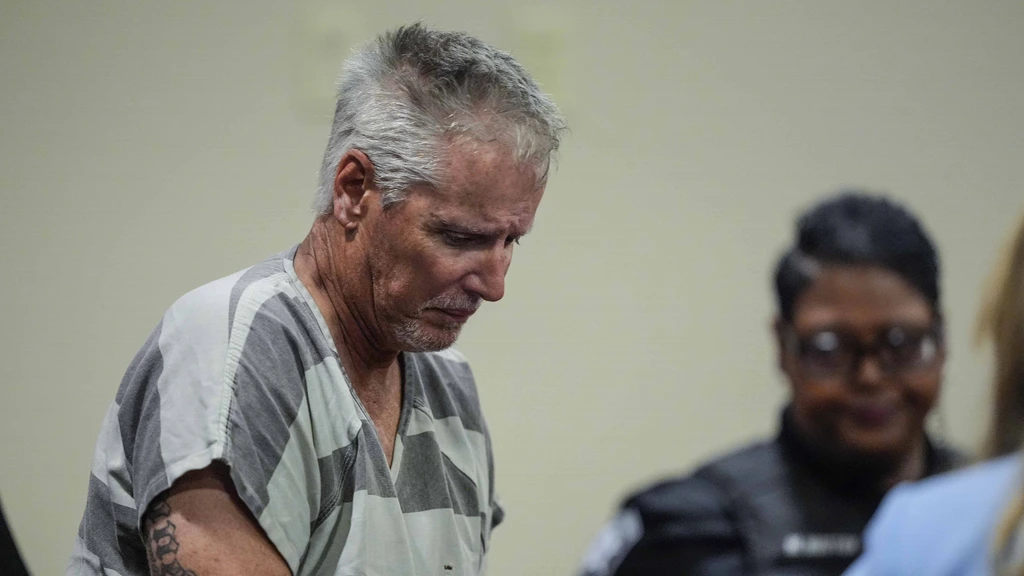
In Georgia, a father has been sentenced to 15 years in prison for his role in a deadly school shooting carried out by his son. The man gifted his son a firearm for Christmas, which the teenager later used to kill four people at his high school. The then 14-year-old Colt Gray fatally shot two students and two teachers at Apalachee High School in Winder, near Atlanta, in September 2024. Although the boy has always denied it, he has been definitively identified as the shooter and was sentenced to life in prison last Tuesday. His father, 55-year-old Colin Gray, was found guilty in March of four counts of manslaughter for providing the weapon, especially since the judge determined he should have been aware of his son's mental health issues. Evidence of these issues included the son having created a small shrine in his bedroom dedicated to Nikolas Cruz, who committed a massacre at a Florida high school in 2018. Colin Gray received his sentence today, which was significantly lower than the potential 80 years he faced, as not all charges against him carried prison sentences, according to the judge. He is the third American parent to be convicted in connection with a mass shooting committed by their child. This follows similar cases, including the parents of a Michigan teenager who received 10 and 15-year sentences after their son killed four classmates. In that instance, a jury found the parents negligent in safely storing firearms in their home and for ignoring their son's mental health struggles.
This case highlights the complex legal and ethical responsibilities of parents regarding firearm access and the mental well-being of their children. The sentencing reflects a judicial attempt to assign accountability for a tragedy stemming from a confluence of factors: parental negligence in firearm safety, awareness of a child's concerning behavior, and the availability of weapons. The legal framework's evolution in holding parents liable for their children's violent acts, as seen in both the Georgia and Michigan cases, suggests a societal shift towards greater parental accountability. Looking ahead, such cases underscore the ongoing challenge of balancing Second Amendment rights with public safety, particularly in an era where mental health awareness is increasing, and the potential for harm with easily accessible firearms remains a critical concern. Future policy discussions may focus on stricter enforcement of safe storage laws and enhanced support systems for identifying and addressing juvenile mental health crises.
AI-generated to prompt reflection — not editorial opinion, not advice, not a statement of fact. How this works.